
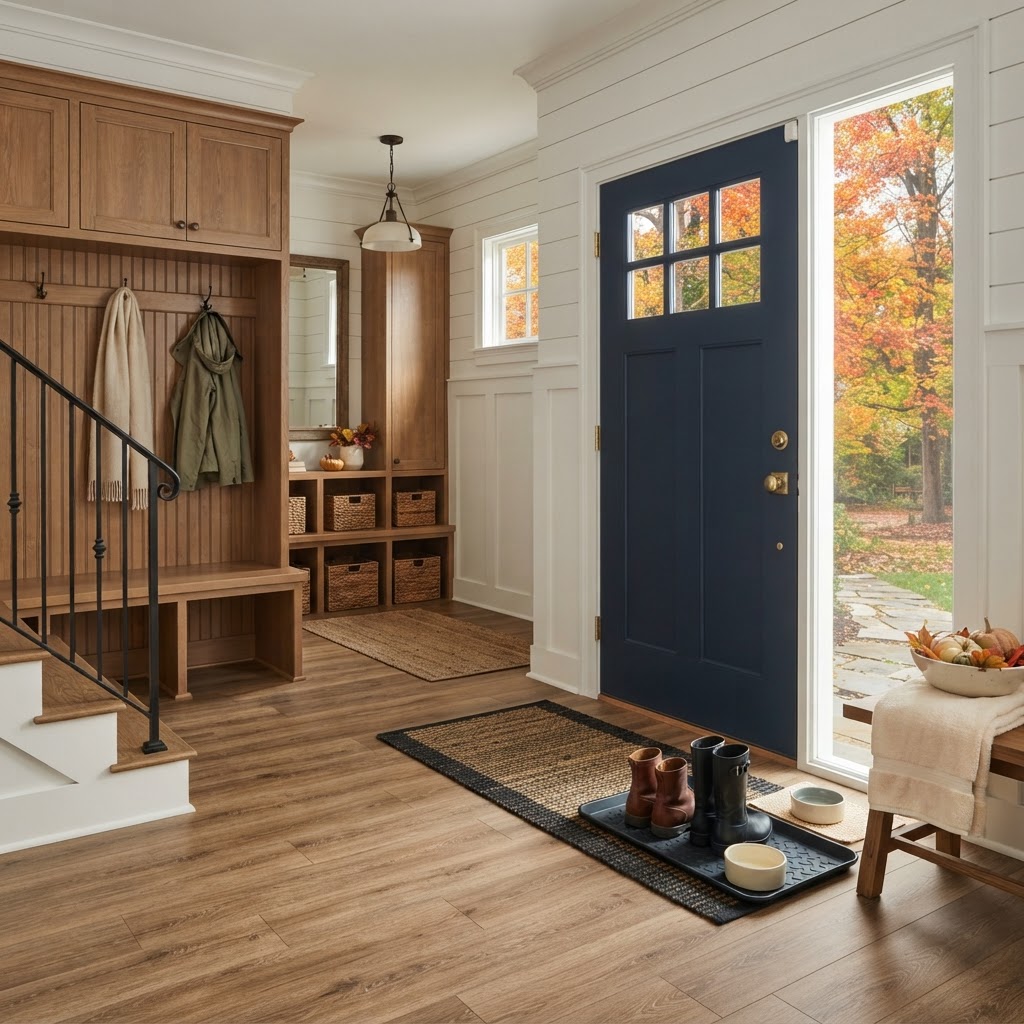
What is the best flooring for dogs and muddy fall weather in the Tysons area?
For dogs and the mud, wet leaves and tracked-in grit of a Northern Virginia fall, the best flooring is usually a scratch-resistant, water-resistant surface that cleans easily and can be repaired: luxury vinyl plank (LVP) with a thick wear layer is the most forgiving all-around choice, porcelain tile is the most indestructible for entries and mudrooms, and engineered or solid hardwood with a durable, low-sheen finish is a beautiful and refinishable option for households willing to accept some wear and manage claws and moisture. The best answer depends on the room, the size and habits of your dog, how much mud arrives at your door and how you feel about visible scratches versus easy cleanup. Floors and Beyond VA, a family-owned Northern Virginia flooring and remodeling contractor serving Fairfax, Loudoun, Prince William and Arlington counties since 1987, installs all three with in-house crews and no subcontractors, and we compare them honestly in your home. This guide ties the question to leaf-and-mud season in Tysons, McLean, Vienna, Falls Church and Merrifield, and compares LVP, engineered hardwood and tile on the points that matter to dog owners.
Anyone who has a dog in this area knows the pattern. In October and November, leaves fall, rain arrives, lawns and trails turn to mud, and every walk ends with wet paws on the floor. Add a larger dog that sprints down the hall, an older dog with accidents, or a puppy with claws and boundless energy, and the floors take a beating. The wrong floor can scratch, stain, swell or smell. The right floor makes life with a dog easier and keeps the house looking good. Let us look at what dogs and mud actually do to floors, then at how the main options hold up.
What dogs and fall weather do to floors
Understanding the stresses helps you choose.
Scratches from claws. Nails scrape across surfaces, especially during running, turning and sudden stops. Harder, textured and lower-sheen surfaces hide scratches better than soft, smooth or glossy ones.
Moisture and mud. Wet paws and coats carry water, dirt and grit. Water can seep into seams and damage wood. Grit acts like sandpaper under feet.
Accidents. Urine penetrates porous materials, stains wood and can soak into subfloors, causing odors that are difficult to remove. Vomit and spills also matter.
Shedding. Hair collects in carpet, in grooves and along baseboards.
Slipping. Smooth hard floors can be slippery for dogs, particularly older dogs with joint problems, and slipping is stressful for animals and can contribute to injuries.
Odors. Porous materials and carpet pad can hold odors.
Weight and impact. Large dogs jumping and running create point loads and dents.
Traffic patterns. Dogs wear paths from door to bowl to couch.
Cleaning frequency. Households with dogs clean floors more often, so the surface must tolerate frequent cleaning.
Fall intensifies several of these at once: moisture, grit and frequent wet-dog entries.
What matters most when choosing
Prioritize according to your household.
Water resistance. How well does the floor handle wet paws, spills and accidents?
Scratch resistance. How well does it hide or resist claw marks?
Cleanability. Can you wipe up mud quickly?
Repairability. Can scratches be fixed or damaged sections replaced?
Traction. Is the surface secure for paws?
Comfort. Is it comfortable for the dog to lie on and for people to stand on?
Odor resistance. Does it avoid holding smells?
Appearance. Does it fit your style and hide dirt?
Longevity. How long will it last under real life?
Cost over time. We do not publish prices, but we discuss lifecycle during the consultation.
No floor excels at everything. The aim is the best balance for your situation.
Luxury vinyl plank for dogs
LVP is the most popular choice for dog owners, for good reason.
Strengths
Water resistance. Good LVP planks do not absorb water, so wet paws and accidents are manageable. Prompt cleanup still matters, especially at seams. Our article on whether vinyl flooring is waterproof explains the nuance: the plank resists water, but the system, including seams and subfloor, determines overall performance.
Scratch resistance. A thick wear layer resists scratches and dents well. Textured, embossed surfaces hide minor marks.
Easy cleaning. Mud wipes up, and routine sweeping and damp mopping are simple.
Repairability. Individual damaged planks can often be replaced.
Comfort. Softer underfoot than tile, and often warmer, especially with attached underlayment.
Odor control. The surface does not hold smells. Accidents that reach seams and subfloor should be addressed promptly.
Realistic looks. Modern wood-look planks are convincing.
Limitations
Quality varies enormously. Thin wear layers scratch and dent, and low-grade products can fade, discolor or delaminate. Wear layer and core construction matter. Our article on how to choose luxury vinyl plank and our article on what SPC core flooring is explain what to look for, and our article on LVP pros and cons provides a balanced view.
Slipperiness. Smooth vinyl can be slick for dogs. Textured surfaces help.
Cannot be refinished. Worn planks are replaced.
Heavy point loads and sharp objects can dent or gouge softer products.
Subfloor matters. Dips and humps cause problems. Preparation is essential.
Our vinyl flooring page describes our installations.
Engineered hardwood for dogs
Engineered hardwood combines real wood with a stable core, and it appeals to dog owners who love wood.
Strengths
Real wood character. The look and feel of wood, with natural variation that masks small scratches.
Stability. Better dimensional stability than solid wood, which helps with humidity changes and moisture.
Refinishability. Depending on wear-layer thickness, it can be refinished a limited number of times.
Durability. Harder species and tough finishes hold up reasonably well.
Comfort and warmth. Wood is warmer underfoot than tile.
Limitations
Scratches. Wood will scratch under claws. Lower-sheen, textured and wire-brushed finishes camouflage scratches better than glossy smooth ones.
Moisture sensitivity. Standing water, wet paws that are not wiped and accidents that sit can damage wood and finish. Wood is not a good choice for an entry where mud and water arrive without protection.
Urine. Prolonged exposure can stain and penetrate. Accidents must be cleaned quickly.
Refinishing limits. Thin wear layers cannot be sanded repeatedly.
Slipperiness. Smooth finishes can be slippery for dogs. Rugs help.
Quality varies. Wear layer thickness and finish quality differ.
Our wood flooring page and our article on engineered wide plank flooring in Northern Virginia describe the category. Solid hardwood behaves similarly but has more refinishing potential and less moisture stability. If you already have hardwood, our refinish-first philosophy means we will tell you honestly whether your existing floors can handle a dog, and how to refinish them for durability. Our article on whether it is worth refinishing hardwood floors helps with that decision.
Tile for dogs and mud
Porcelain tile is the toughest option for the wettest, muddiest places.
Strengths
Water impervious. Porcelain does not absorb water, and mud and accidents wipe up easily.
Scratch and wear resistance. Dog claws do not mar good porcelain.
Hygiene and odor. The surface does not hold odors, though grout needs attention.
Longevity. Tile can last for decades.
Good for radiant heat. Tile conducts warmth well.
Limitations
Hard and cold. Tile is hard on joints, for both dogs and people, and cold in winter. Rugs and dog beds help.
Grout. Grout can stain and harbor odor if not sealed and maintained. Epoxy or high-performance grouts reduce this.
Slipperiness. Polished or glazed tile can be slippery when wet. Textured, slip-resistant finishes are better for paws.
Noise. Claws click on tile.
Installation. Tile requires a flat, stable substrate and skilled installation. Subfloor preparation is a major part of the job.
Dropped items break. Heavy impacts can chip tile or break dishes.
Our tile and stone page describes our work.
Comparing LVP, engineered hardwood and tile for dog owners
Here is how the three compare on the factors that matter most.
Wet paws and mud. Tile is best, LVP is very good, and engineered hardwood needs more attention.
Scratches. Tile resists claws best. Quality LVP resists well. Hardwood scratches but can hide marks with the right finish and can be refinished within limits.
Accidents and odors. Tile and LVP handle accidents well, though seams and grout need care. Hardwood is the most vulnerable.
Comfort for the dog. LVP and wood are warmer and softer. Tile is hardest and coldest.
Traction. Textured LVP and textured tile are best. Smooth hardwood and smooth vinyl are slippery.
Repairability. Hardwood can be refinished or repaired. LVP planks can be swapped. Tile can be replaced piece by piece, though matching may be an issue.
Appearance. Wood has the most natural beauty. LVP imitates wood convincingly. Tile offers a range of styles.
Installation demands. All need good subfloor prep. Tile is the most demanding.
Our article on hardwood versus LVP in Northern Virginia offers a deeper comparison.
Room by room: matching the floor to the job
Rather than choosing one floor for the whole house, many dog owners choose by room.
Entry, mudroom and back door. This is where mud arrives. Porcelain tile or durable LVP, with a mat zone and a boot tray, protects the rest of the house. Rubber flooring is another practical option. See our rubber flooring page.
Kitchen. Spills, water bowls and dropped food. LVP or tile are practical. Hardwood works with careful care.
Living areas. LVP or engineered hardwood, depending on your priorities. Area rugs add traction and comfort.
Bedrooms. Dogs often sleep here. Softer surfaces are comfortable. Carpet can be chosen with stain-resistant fibers, though odors need management. Our article on removing pet odors from carpet and our article on stain-resistant carpet for families offer guidance.
Basements. Moisture-tolerant LVP or tile. Our articles on the best flooring options for basements with moisture issues and flooring for the basement explain, and our basement finishing service handles the whole space.
Stairs. Dogs can slip on smooth stair treads. Carpet or runners add traction.
Laundry and utility rooms. Tile or vinyl for dog washing and wet gear. See our laundry room remodeling page.
Property types around Tysons
Condominiums and apartments. Dog owners in Tysons high-rises need to consider building flooring rules and sound requirements as well as pet-friendliness. Pet accidents and nails matter, and neighbors below hear running dogs. Check your building's rules. Our article on Tysons condo flooring rules explains, and our article on renovating a Tysons high-rise apartment compares options on concrete.
Townhomes in Merrifield and Dunn Loring. Multi-level homes with stairs. Durable main-level floors, carpeted stairs or runners, and a sturdy entry surface are common.
Large homes in McLean and Great Falls. Long sightlines, big yards and larger dogs. Entry and mudroom design make a big difference. Matching floors across spaces matters.
Older homes in Vienna and Falls Church. Original hardwood can often be refinished with a tougher finish to handle dogs. Our article on hardwood floor refinishing in Vienna and Falls Church explains.
Practical habits that protect any floor
Flooring choice is half the equation. Habits matter.
Wipe paws at the door. A towel and a mat at every entry reduce mud dramatically.
Use entry mats and runners. Place absorbent mats at doors, and washable runners in high-traffic paths.
Trim nails. Regular trimming reduces scratches.
Clean accidents quickly. Blot, don't rub, and use appropriate cleaners. Avoid products that damage finishes.
Use appropriate cleaners. Check manufacturer guidance. Avoid steam mops on wood. Our floor care page offers advice.
Put bowls on mats. Water spills near bowls damage flooring.
Add traction. Area rugs with non-slip pads help dogs, especially older dogs.
Sweep or vacuum regularly. Grit scratches.
Control humidity. Wood is sensitive to dry and humid extremes.
Place furniture pads. Pad furniture feet to prevent scratches from moving furniture.
Provide a good dog bed. Comfortable resting places off hard floors help joints.
What drives the scope of a pet-friendly flooring project
We do not publish prices in articles, but the factors that shape any estimate are clear. The material and quality tier. The area and layout. Subfloor condition and preparation. Removal of existing flooring, including carpet with pet damage. Subfloor odor or damage treatment. Entry and mudroom design. Stairs. Transitions and trim. Furniture moving and access. And the company, including its crews, licensing, bonding and insurance.
At Floors and Beyond VA, we provide an honest, all-inclusive estimate, and what we quote is what you pay. Our estimates include old flooring removal, new materials, professional installation, furniture moving, transitions, molding and full cleanup. Our article on flooring cost factors in Northern Virginia explains why estimates differ.
Why dog owners choose Floors and Beyond VA
Dog owners need honest advice about what will actually survive their household. Floors and Beyond VA has served Northern Virginia since 1987 as a family-owned company, and we have helped many households match flooring to real life. Our in-house crews, with no subcontractors, install LVP, engineered hardwood, tile, carpet and rubber flooring, and we refinish existing hardwood with durable finishes that stand up to paws. We are fully licensed, bonded and insured. Your free in-home consultation brings samples to your door, includes precise laser measurements at no charge and lets you see how a floor looks with your dog's actual routines in mind. Our refinish-first philosophy means we will tell you honestly when your existing floors can handle a dog and when a different surface makes more sense. Our honest, all-inclusive estimate covers removal, materials, installation, furniture moving, transitions, molding and full cleanup, and what we quote is what you pay. Learn more at floorsandbeyondva.com.
Common mistakes for dog owners
The first mistake is choosing glossy, smooth floors that show every scratch and slip.
The second is putting hardwood at a muddy entry without protection.
The third is choosing a thin, low-quality LVP that scratches.
The fourth is ignoring grout in tile.
The fifth is forgetting traction for older dogs.
The sixth is letting accidents sit.
The seventh is skipping entry mats and paw wiping.
The eighth is using steam mops on wood.
The ninth is choosing carpet without planning for odors and cleaning.
The tenth is picking one floor for every room regardless of use.
Frequently asked questions
What is the best flooring for dogs? LVP with a thick wear layer is the most forgiving all-around. Tile is toughest for muddy entries. Hardwood is beautiful but needs more care.
Do dogs scratch LVP? Quality LVP resists scratches well, but no floor is scratch-proof. Wear layer matters.
Is hardwood bad for dogs? Not bad, but it will scratch. Low-sheen finishes and refinishing help.
What about muddy paws? Tile and LVP handle them best. Use mats and wipe paws.
Are tile floors bad for dogs' joints? They are hard. Beds and rugs help.
Can you make my existing hardwood more dog-friendly? Often, yes, by refinishing with a durable finish. We assess honestly.
Is Floors and Beyond VA licensed and insured? Yes. We are fully licensed, bonded and insured for every project, and our in-house crews work with no subcontractors.
Do you serve my neighborhood? Yes, including Tysons, McLean, Vienna, Falls Church, Merrifield, Dunn Loring, Great Falls and Oakton, along with the rest of Fairfax, Loudoun, Prince William and Arlington counties.
Keep reading
For related planning, see How to Prep Your Tysons Home for Flooring Installation: Furniture, Pets and Move-Out Day, 2026 Flooring Trends Showing Up in Tysons and McLean Homes: What's In and What's Fading and Renovating a Tysons High-Rise Apartment: Which Floors Work on Concrete Subfloors.
Ready for floors that can handle your dog?
The right floor makes life with a dog easier. Floors and Beyond VA brings nearly forty years of Northern Virginia experience, in-house crews with no subcontractors and a free in-home consultation with samples and precise laser measurements at no charge.
Request your free flooring estimate today: https://floorsandbeyondva.com/Contact
You can also call (703) 906-5698 or email hello@floorsandbeyondva.com.




