
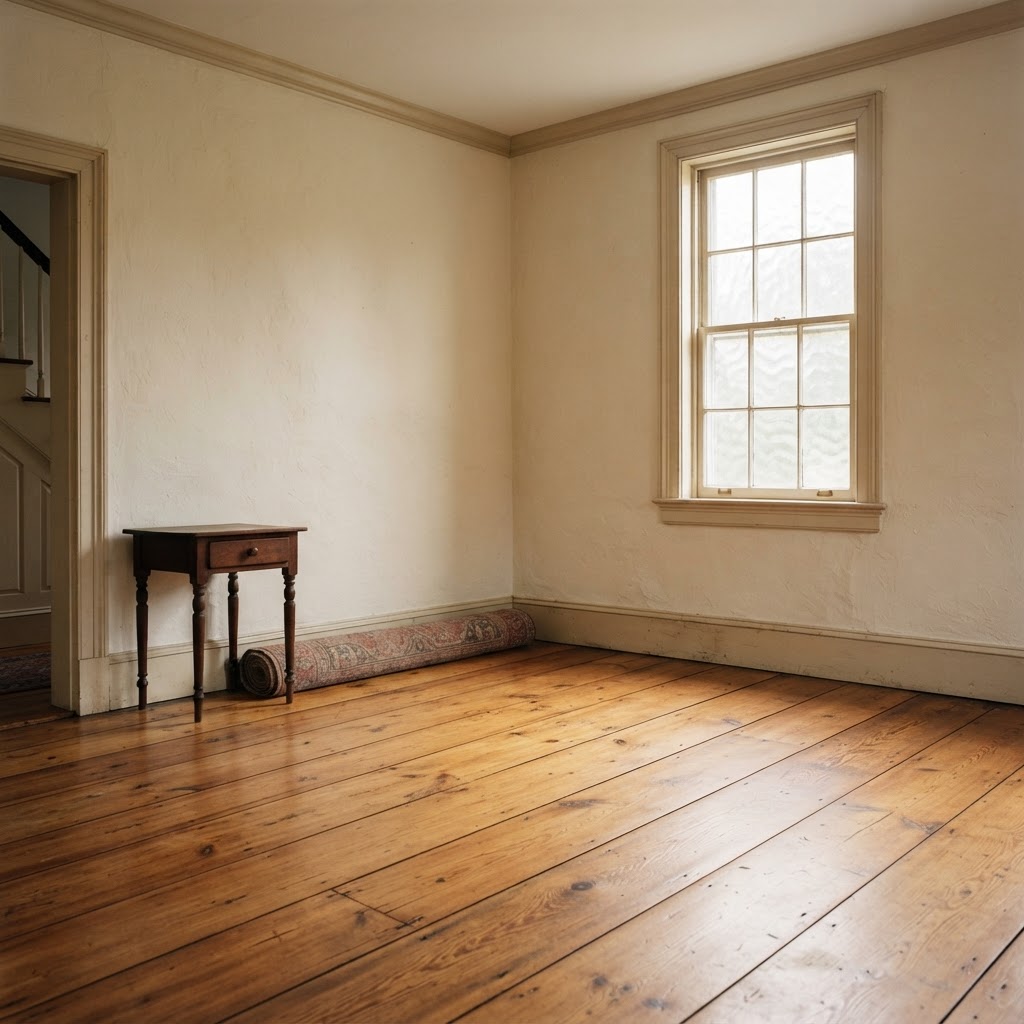
Leesburg has one of the oldest town centers in Northern Virginia, and its floors can be just as old. In and around the historic district, a house may have wide-plank pine, narrow oak or boards that have been refinished several times over more than a century. A few miles away, neighborhoods such as Potomac Station, Exeter and Tuscarora Crossing have newer construction with open layouts and finished basements on concrete. A flooring company in Leesburg, VA needs a light touch with the first kind of house and efficient, well-prepared installation in the second.
This guide explains what is typical in Leesburg's neighborhoods, how older floors are restored, what works in newer homes, how basements and subfloors are prepared, and what to ask before you hire. Floors and Beyond VA is a family-owned flooring company that has served Leesburg, Loudoun County and the rest of Northern Virginia since 1987, and our own crews handle every project. You can see that work on our Flooring Company in Leesburg, VA page.
What Leesburg homes are like
Leesburg's housing spans several eras. Historic downtown homes have original wide boards, plaster walls and details that have been maintained for generations. Established neighborhoods from the 1970s and 1980s, including areas such as Kincaid Forest, have colonials, split-levels and townhomes with oak or builder-grade flooring. Newer communities such as Potomac Station, Exeter, Tuscarora Crossing and Greenway Farm have open floor plans, large kitchens and finished basements.
Each type asks for something different. Historic floors reward patience and restraint. Mid-era floors often hide good oak under carpet. Newer homes typically need preparation and thoughtful product choice more than restoration. A company that works in Leesburg regularly will recognize each pattern and adjust its approach.
Historic and wide-plank floors
Floors in older Leesburg houses are often unlike anything made today. Wide pine boards cut from old-growth trees are dense, resinous and beautifully irregular. Narrow oak strips laid in the early twentieth century have a tight grain. Many have been refinished several times, and the boards carry the marks of their age: gaps that open and close with the seasons, slight slopes where the house has settled, filled holes from old heating and wiring and layers of finish applied over decades.
Restoring these floors takes a light touch. The goal is usually to clean and renew the surface while keeping the character, not to make it look new. That means careful inspection of how much wood remains, gentle sanding that removes only what is needed, repair of damaged boards with matching reclaimed wood where possible, and a finish chosen to suit the wood and the house. Over-sanding old pine can remove precious material, and an overly glossy finish can look out of place in a historic setting. Our notes on antique floor restoration cover how these floors are assessed.
What an inspection checks
For an older floor, the inspection looks at the species and width of the boards, how much wood is left above the tongue-and-groove joint, the age and type of the existing finish, loose or cupped boards, signs of past water damage and the condition of the subfloor beneath. That tells us whether the floor needs a full sanding, a lighter screen and recoat, repairs or a combination. At Floors and Beyond VA, we start with an in-home visit, test the floor and give you a written plan. If your old floor can be saved, we will show you how. That thorough approach is what old hardwood floor restoration actually requires, and it is the basis of our floor restoration service.
Gaps, slopes and character
Slight slopes and narrow gaps are normal in old houses, and they are part of what gives them character. Wide pine in particular shifts with humidity, opening in winter and closing in summer. A good flooring company explains what is character and what is a problem. A gap that opens in January and closes in July is normal. A board that has cupped from a leak or a joist that has failed is a different matter and needs repair. We tell you which is which, so you do not spend money correcting something that is simply an old floor behaving like one.
Historic homes and what is appropriate
Some Leesburg homes have limits on what changes are appropriate, whether from a historic district review, a homeowners association or the owner's own wish to preserve original materials. Before starting, we ask about your plans and any requirements that apply. Floors are interior work and are usually less restricted than exteriors, but it is worth confirming. Respecting the house is part of doing the job well, and it is a reason to choose a company with experience in older properties.
Lead safety in older houses
Homes built before 1978 may have lead-based paint on trim, doors, windows and sometimes floors. Sanding can create dust that needs careful handling. Ask any contractor how they handle lead-safe practices, including containment, dust control and cleanup. A professional answers clearly and without hesitation. In older homes, we also protect trim, staircases and doorways during the work, because original woodwork is irreplaceable.
Established neighborhoods from the 1970s and 1980s
Between the historic core and the newest subdivisions are neighborhoods built in the 1970s and 1980s. Many of these houses have oak strip flooring, sometimes under carpet, and finished basements. The same principles apply as elsewhere in Northern Virginia. Lift a corner of carpet and look. If oak is underneath and the boards are sound, refinishing is often the best choice. It preserves the original floor, matches the rest of the house and avoids the waste of removing wood that still has life.
Newer Leesburg communities
Potomac Station, Exeter, Tuscarora Crossing and Greenway Farm have open floor plans, larger rooms and builder-grade finishes. Carpet is common in bedrooms and living areas, with a thin hardwood or laminate in entries and kitchens. Common upgrades include replacing carpet with hardwood or luxury vinyl plank, installing a continuous floor through the main level, updating stairs and finishing basements. Because many houses in a community share a layout, an experienced crew can plan subfloor preparation, stairs and transitions efficiently.
Homeowners associations in newer communities may set rules about contractors, work hours and, in townhomes, sound transmission. We confirm those before ordering material and prepare any paperwork the association asks for. For the products themselves, see our hardwood flooring in Leesburg page.
Luxury vinyl plank in Leesburg homes
Luxury vinyl plank has become a favorite for family homes because it is dimensionally stable, waterproof and tough. A good product has a strong wear layer, a stable core and a realistic wood look. It can be installed as a floating floor over many existing surfaces once they are properly prepared, which makes it a practical choice for main levels, kitchens and basements. Quality varies, so look at samples in your own light and ask about thickness, wear layer and underlayment. Our luxury vinyl plank flooring page covers the ranges we install.
Basements on slabs
Finished basements are common in newer Leesburg homes and usually sit on concrete slabs. Moisture is the key concern. A careful crew tests the slab with a calcium chloride test or in-slab relative humidity probes and compares the result to the manufacturer's limits. A high reading may call for a moisture barrier or a different product, and any active leak must be fixed first. Slab flatness matters too, because dips and high spots make floating planks flex. Grinding and filling the slab is essential preparation.
Luxury vinyl plank is the usual choice for basements, with engineered hardwood as an option where the product is approved for below-grade use and the slab tests within limits.
Matching boards in renovations
Renovations, additions and repairs in Leesburg often require new flooring to blend with old. Matching species, width and thickness is the first step. Finishing the new and old floors together gives the most consistent result, and weaving boards together hides the seam. In older houses, reclaimed boards can sometimes be used so the repair matches the age of the floor.
Stairs and landings
Stairs take the most wear in any house, and they look especially tired next to a refinished floor. Existing treads can be refinished, and new treads and risers are an option where the old ones are damaged. In historic homes, stairs are often steep and narrow, and careful protection of walls and railings matters. In newer homes, converting carpeted stairs to wood changes the feel of the whole house. Plan the stairs along with the floors so the finish matches.
Choosing a finish for an old floor
Finish choice matters most on old floors, because the wrong one can change the whole feel of a room. Oil-modified finishes bring out the warm amber glow that old pine and oak are known for, and they deepen gracefully over time. Water-based finishes keep wood lighter and more neutral and dry faster with less odor, which suits households that want to return to a room quickly. Sheen matters as much as type. Historic houses usually look best with a low to medium sheen that reads as natural wood, not as a shiny surface. In any case, the finish should be tested on your own floor before the whole room is committed. A small sample in the room, viewed in morning light and evening lamplight, shows the real effect.
Stain deserves the same caution. Old pine in particular absorbs stain unevenly and can look blotchy if it is pushed too dark, so a natural or lightly tinted finish is often the better choice. Some owners prefer to keep the aged color the wood has developed, and a clear finish preserves it.
Humidity, seasons and old wood
Leesburg's seasons are felt in its floors. Humid summers make boards swell and close gaps, and dry winters make them shrink and open them again. Old, wide boards move the most. A humidifier in winter and air conditioning in summer help keep indoor humidity steady, and steady humidity is the best protection for any wood floor. When a floor is refinished, the crew should know the humidity in the house, because wood that is far from its normal moisture content can move after finishing. For new installations, materials need time to acclimate to the house before they are installed, and your crew should explain how long.
Planning around a lived-in home
Most Leesburg projects happen while the family lives in the house, so planning matters. Furniture needs to be moved or staged, and rooms that will be refinished need to be clear of rugs and decor. Plan where pets will stay and where you will eat and sleep during the work. Ask your contractor which rooms will be unavailable on which days and when you can walk on the new finish. Staircases are usually done last so the house stays usable as long as possible. A short conversation before work begins prevents most frustrations, and a good company will give you a written schedule.
Farm properties, mudrooms and entry floors
Beyond the town itself, Leesburg's surroundings include houses on larger lots and properties with mudrooms and busy back entries. Those floors take muddy boots, wet dogs and heavy traffic. A durable, water-resistant surface such as waterproof luxury vinyl plank or tile suits entries, and a rug or mat inside the door reduces the grit that wears hardwood. Where a mudroom meets a hardwood kitchen, plan the transition so water stays on the right side of the threshold.
How to choose a flooring company in Leesburg
Ask a few practical questions. Will someone visit and inspect your floor before giving a plan? Do they have experience with old floors, including wide pine and gaps? Do their own employees do the work, or do they hire subcontractors? Do they protect trim, staircases and doorways? Do they test basement slabs for moisture? Can they match new boards to old? Will they confirm HOA or other requirements before starting?
Floors and Beyond VA has been family-owned since 1987. We start with an in-home estimate, test the floor and give you a written plan.
What to have ready before the estimate
Preparation makes the visit more useful. Lift a corner of carpet in a closet to see what is underneath. Decide which rooms and levels are included and whether stairs are part of the plan. Gather any HOA rules or historic requirements. Tell us about past leaks, pet stains and squeaks. If your basement has ever been damp, tell us.
When you are ready, schedule an in-home estimate and we will look at your floors and talk through the options.
How long Leesburg projects take
A refinish of a main level takes several days because sanding, staining and finishing happen in stages with drying time between coats. Restoration of old floors may take longer if repairs are needed. Luxury vinyl plank in a basement can often be finished in a few days once the slab is ready. Ask for a written schedule and for prompt notice if anything changes.
Protecting your home
Good crews seal doorways, contain dust, protect trim and clean up daily. In older houses, they take extra care around original woodwork, plaster walls and staircases. Ask how your contractor handles dust and odors, and plan for where pets and children will stay during finishing.
Caring for your floor
Felt pads under furniture, mats at entries and prompt cleanup of spills protect a floor. Use the cleaner recommended for your finish and avoid steam mops on wood. Keep humidity steady, since old wood in particular moves with the seasons. A maintenance coat every few years keeps a refinished floor looking good.
Why local experience matters in Leesburg
Few places in Northern Virginia combine such old and such new housing so close together. A crew that works in Leesburg regularly knows how to treat a wide-plank pine floor and how to prepare a new slab basement, and it knows what Loudoun County's homeowners associations tend to ask for. That range of experience helps with decisions big and small, and it shows in the finished floor.
Common Leesburg projects we see
Our regular work in Leesburg includes restoring old and wide-plank floors, refinishing existing oak, luxury vinyl plank in finished basements, matching boards in renovations and stair refinishing. Many homes combine several of these in one plan.
Frequently asked questions
Can old wide-plank pine floors in Leesburg be restored?
Often yes, with careful inspection and a light touch. We aim to renew the surface while keeping the character.
Are gaps and slopes in my old floor normal?
Yes. Seasonal gaps and slight slopes are normal in older houses. We explain which are character and which are problems.
Can I refinish the oak in my 1980s Leesburg house?
Often yes, if enough wood remains above the tongue and the boards are sound.
What is the best floor for a Leesburg basement?
Luxury vinyl plank is the common choice after the slab is moisture tested.
Do Leesburg HOAs have flooring rules?
Many do, especially for sound in townhomes and for contractor work hours.
Can new boards be matched to old ones?
Often yes. Weaving and finishing the floors together blends additions and repairs.
Ready to talk about your Leesburg floors?
If you own a historic home downtown or a house in Potomac Station, Exeter, Tuscarora Crossing or elsewhere in Leesburg, the best first step is a visit from someone who will look at your floors and explain what they see. Floors and Beyond VA is a family-owned flooring company serving Fairfax, Loudoun, Prince William and Arlington counties, Alexandria and the Washington, DC area since 1987.




