
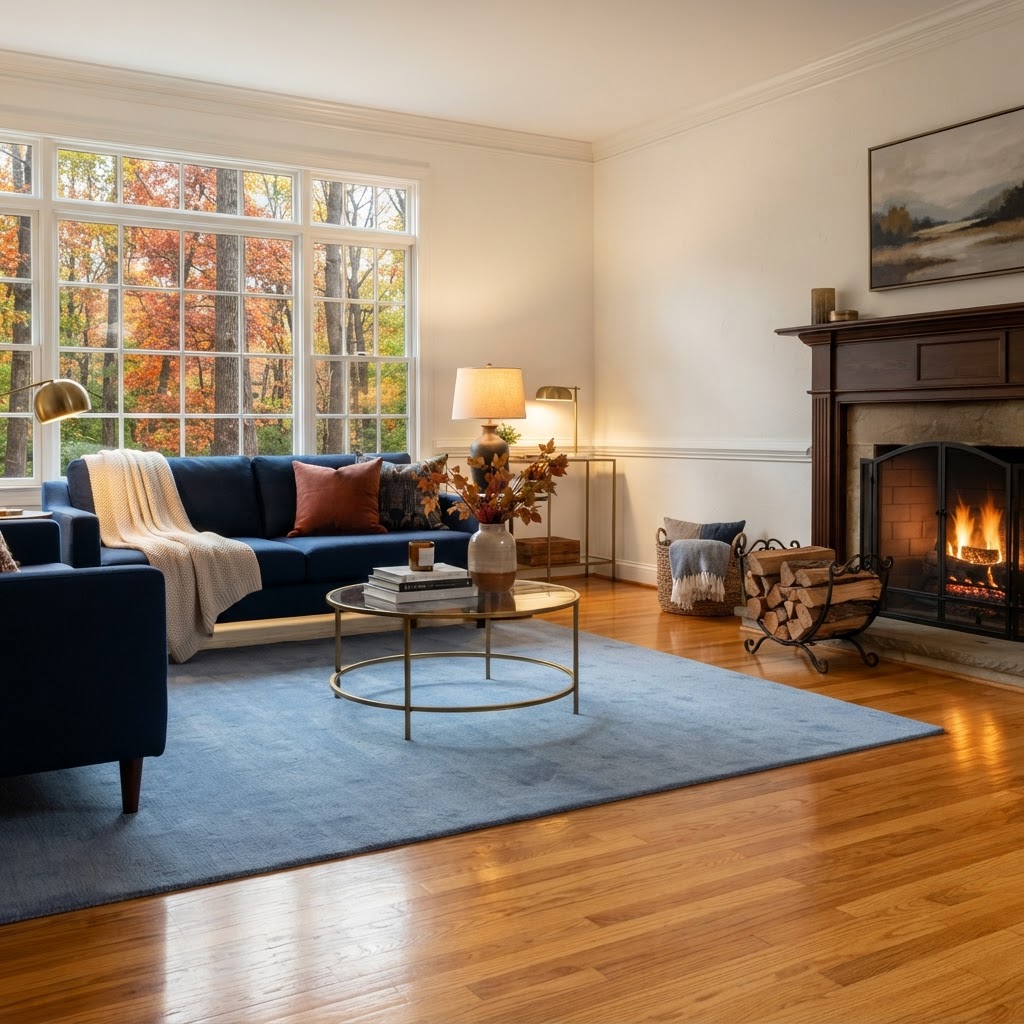
What should Northern Virginia homeowners plan for with fall and winter flooring renovations?
Homeowners planning fall and winter flooring renovations in Northern Virginia should plan for indoor humidity and temperature, material acclimation where the product requires it, delivery and scheduling around the holidays, furniture and household logistics, finish cure times for refinished hardwood, ventilation during dust and odor-producing work and strict adherence to each manufacturer's installation instructions. Cold, dry heated air inside the house can cause wood to shrink, while a damp cold garage can slow adhesives and finishes, so the conditions in the home during the project matter as much as the product. Floors and Beyond VA, a family-owned Northern Virginia flooring and remodeling contractor serving Fairfax, Loudoun, Prince William and Arlington counties since 1987, installs and refinishes floors through every season with in-house crews and no subcontractors, and we help homeowners time projects so the floor performs well long after the weather changes.
Late fall is a natural moment to think about floors. The outdoor projects are done, the family is spending more time inside, guests are coming for the holidays and the heating season is beginning. For some homeowners, winter is the perfect time to renovate, because schedules are lighter and the house is closed up and climate-controlled. For others, it creates real concerns: Can hardwood be installed in cold weather? Will finishes dry in winter? What about the holidays? There is no season in which good flooring work is impossible in Northern Virginia, but each season brings its own considerations, and winter in particular rewards planning. This guide explains what to think about, from the physics of wood and humidity to the practical logistics of living through a project. For related reading, see our flooring installation guide and our article on preparing your home for new floors.
Why the season matters for flooring
Flooring is a building material that responds to its environment. Wood absorbs and releases moisture as the surrounding air becomes more or less humid. Adhesives and finishes cure at rates that depend on temperature and humidity. Concrete slabs hold or release moisture differently across the year. Materials delivered in cold weather may arrive at a very different temperature than the room where they will be installed. And in winter, heating systems dry indoor air considerably, which can cause wood floors to shrink and open gaps.
Understanding these relationships explains why the same product can behave differently in July than in January, and why professional installers pay close attention to conditions rather than the calendar. The goal is to install flooring in a stable environment that matches, as closely as possible, the conditions the floor will live in for most of the year.
Indoor humidity and temperature
The single most important environmental factor for wood and many other flooring types is the indoor climate during and after installation. Manufacturers specify acceptable ranges of temperature and relative humidity for installation, and they require that the home be at normal living conditions, with the heating or cooling system operating, for a period before, during and after the work. This applies to solid hardwood, engineered hardwood, bamboo, luxury vinyl plank and many adhesives and finishes.
In winter, many Northern Virginia homes become very dry. A humidifier, or a whole-house humidification system, can help keep humidity in a healthy and stable range, which protects both the floor and the people living in the home. Equally, a damp basement or crawl space can raise moisture levels in lower floors, and both extremes can cause problems. We take moisture seriously, using moisture meters to assess both wood and subfloors, and recommending mitigation when readings call for it.
Because specific acceptable ranges vary by product, we follow the manufacturer's instructions for each floor we install, and we tell homeowners what to expect during the project. If your home's heating system has been off, if a house has been vacant or if a new addition has recently been closed in, conditions may need time to stabilize before installation begins.
Acclimation: when it matters and when it does not
Acclimation means allowing flooring materials to adjust to the temperature and humidity of the installation space before they are installed. It is critical for many wood products, because wood that installs at a moisture content far from its eventual equilibrium may later shrink, swell, cup or gap. The required time and method vary by product, species, plank width and the conditions at the job site. Some products require a period in the room, others in the home, and some require little or none.
Not all flooring needs the same treatment. Solid hardwood generally needs careful acclimation and moisture checks. Engineered hardwood is more stable but still has manufacturer requirements. Luxury vinyl plank is less moisture-sensitive, but many products still need to be at room temperature before installation, because temperature affects dimension and adhesive performance. Tile and carpet have different considerations, such as keeping the room at an appropriate temperature for setting materials and adhesives to cure.
Rather than generalize, we follow the manufacturer's written instructions for every product, check moisture in both the flooring and the subfloor, and plan delivery so materials arrive early enough to adjust. In winter, this also means not leaving materials in a cold truck, a cold garage or a damp basement before bringing them into the home. Our wood flooring and vinyl flooring pages describe how we approach those materials.
Subfloors and moisture in cold months
Cold weather does not remove moisture concerns; it can change them. Concrete slabs on or below grade may remain damp after wet autumn weather and cold ground, and moisture can move through them toward the surface. Basements may feel dry in winter yet still harbor moisture issues that appear in warmer, more humid months. Crawl spaces can hold moisture that affects wood subfloors above.
Proper preparation includes testing slabs for moisture using appropriate methods, assessing wood subfloors, addressing leaks or drainage problems before installing flooring and installing vapor or moisture barriers where required. For basements, our guides to the best flooring options for basements with moisture issues, the best flooring on concrete basements and flooring for the basement explain the testing and product choices, and our basement finishing services cover complete projects. Winter can be an excellent time for basement work, as the home's conditions are stable, but only if the moisture assessment is done correctly.
Scheduling around the holidays and household life
Fall and winter are busy for families. Guests arrive, gatherings are planned and schedules fill. Flooring projects disrupt the home, so the calendar deserves as much thought as the product. A few practical questions help. When do you need rooms usable again? Which rooms must stay available for hosting? How long will furniture be out of place? Will pets and children be affected by dust, odors or restricted areas? Would you rather complete the work before the holidays or wait until the new year?
If a project needs to be finished before a major gathering, plan backward with enough margin for unexpected findings, such as hidden subfloor damage, and for finish to cure. Hardwood refinishing in particular requires time between coats and a curing period before furniture and rugs return. Rushing a finish to meet a party date can damage the floor. If your timeline is tight, tell us at your consultation, and we will be honest about what is realistic. Sometimes the best plan is to complete a smaller area before the holidays and the rest afterward, or to schedule the project for after the season.
Our in-house crews handle every step, which makes scheduling more predictable because one team owns the whole process. And since our estimates include furniture moving and full cleanup, you do not need to organize those pieces yourself.
Refinishing hardwood in cooler months: finish, cure and ventilation
Refinishing is often a good fall or winter project, but it has specific needs. Finishes cure through evaporation or chemical reaction, and both depend on temperature, humidity and airflow. Very cold or very humid conditions can slow curing, and very dry conditions can cause some finishes to behave differently. Professionals select finish systems appropriate to the conditions, and they manage drying times accordingly.
Ventilation is a practical challenge in winter. Sanding creates dust, and finishes produce odors, particularly oil-based products. In summer, windows can be opened freely, but in winter, ventilation requires balancing fresh air with heat. Dust containment and appropriate airflow protect indoor air quality and the finish itself. Households with respiratory sensitivities, infants or pets should discuss their situation with the contractor in advance and may prefer lower-odor finish options and a plan for staying elsewhere during the work.
After the finish cures, it is wise to wait before placing rugs and heavy furniture, and to avoid wet cleaning until the manufacturer or contractor says the floor is ready. We provide aftercare instructions for each project, and our floor care page offers ongoing guidance. If your hardwood is a candidate for refinishing, our articles on whether your hardwood floors can be saved, whether refinishing is worth it and our hardwood floor refinishing field guide are good places to start.
Carpet and tile in winter
Carpet installation is often seamless in winter, and fresh carpet is a welcome comfort when the weather turns cold. Considerations include storing rolls at room temperature before installation, keeping the room heated during the work and ensuring the subfloor is dry and clean. Removing old carpet and padding can reveal hardwood beneath or subfloor issues needing attention. Our carpet and luxury carpet pages describe what we install, and our articles on choosing carpet in Northern Virginia and stain-resistant carpet for families can help with selection.
Tile installation depends on setting materials and grout that cure properly within specified temperature ranges. A heated, stable home is ideal. Winter can also be the perfect time to add radiant heat under tile in bathrooms and kitchens, a comfort feature that feels especially welcome when floors are cold. Our tile and stone page describes our tile services, and our bathroom remodeling and kitchen remodeling services coordinate tile with the rest of those projects.
Delivery, storage and weather logistics
Winter weather can affect deliveries and access. Snow, ice and rain may delay trucks, create slippery driveways and entries and expose materials to moisture. Planning for protected delivery, covered pathways and safe access helps. Materials should not be left outdoors, in unheated garages or in damp spaces. Floor protection at entries prevents wet, salty boots from damaging both old and new floors. In condominiums and townhomes, elevator reservations, loading rules and work hours may add scheduling constraints, which our condominium remodeling page and our article on condo remodeling rules and permits discuss.
Road salt and snow melt are especially hard on floors. After installation, protect entries with mats, use boot trays and clean up salt residue promptly, since it can leave white films on hardwood and tile and degrade finishes over time.
Furniture and household preparation
Preparation is a major part of a smooth project, and it matters in any season. Clear what you can, protect valuables, and plan for pets and household members. Our estimates include furniture moving, so you do not need to hire separate help, but removing breakables and personal items from rooms is wise. Make sure the crew has access to the work areas, and keep the home heated to a normal, comfortable temperature, since that is part of the installation conditions. Our guide to preparing your home for new floors offers a thorough checklist.
If you will be living in the home during the project, plan for noise, dust and temporary limits on which rooms are available. Some homeowners choose to stay elsewhere during sanding and finishing. We will discuss the plan with you.
Follow the manufacturer's instructions
Every flooring product comes with written installation instructions, and they matter. They specify subfloor requirements, moisture limits, environmental conditions, acclimation, adhesives, fastening, expansion gaps, underlayments and maintenance. Warranties often depend on following them. Generic rules of thumb are no substitute. We read and follow the specific instructions for every product we install and explain relevant requirements to our customers. If a product's requirements cannot be met in your home's current conditions, we will tell you and recommend adjusting either the conditions or the product.
Using winter to plan the larger picture
A flooring project can be part of a larger plan. Winter is an excellent time to decide what you want to accomplish in the new year. Perhaps you will finish the basement, remodel a kitchen or bathroom, create a home office, add a primary suite or plan an addition. Flooring decisions are best made with the rest of the project in view. Our basement finishing, primary suite remodeling, home office design, laundry room remodeling, home additions and whole house remodels services allow us to coordinate flooring with everything else under one accountable team.
Outdoor flooring, such as patios, decks and porches, is a spring and summer concern, but design and planning can begin now. See our outdoor flooring, patios and decks and screened-in porches pages.
What drives the scope of a fall or winter flooring project
We do not publish prices in articles, but the factors that shape any estimate are clear. The material and its quality tier. Square footage and layout. Subfloor condition, including moisture and flatness. Removal of existing flooring. Stairs. Trim, molding and transitions. Furniture moving. Any moisture mitigation or climate preparation needed to meet the manufacturer's requirements. And your timeline, which can affect how work is sequenced.
At Floors and Beyond VA, we provide an honest, all-inclusive estimate, and what we quote is what you pay. Our estimates include old flooring removal, new materials, professional installation, furniture moving, transitions, molding and full cleanup. Our article on flooring cost factors in Northern Virginia explains why estimates differ.
Common mistakes with fall and winter flooring projects
The first mistake is ignoring indoor humidity, then discovering gaps or cupping later.
The second is skipping acclimation or leaving materials in a cold garage.
The third is installing in a house with the heat off or at unusual conditions.
The fourth is rushing finish cure to meet a holiday gathering.
The fifth is underestimating ventilation needs during sanding and finishing.
The sixth is skipping moisture testing on concrete slabs and basements.
The seventh is not protecting entries from salt and wet boots.
The eighth is ignoring the manufacturer's installation instructions.
The ninth is scheduling without margin for delays and hidden findings.
The tenth is hiring on price alone, rather than on process and accountability.
Frequently asked questions
Can hardwood be installed in winter? Yes, when the home is at normal living conditions, materials are properly acclimated and moisture is checked. We follow manufacturer requirements for every product.
Is winter a good time to refinish floors? It can be, with attention to temperature, humidity, ventilation and cure time.
Do I need to run a humidifier? Stable indoor humidity protects wood floors. Dry winter air can cause shrinkage and gaps, so many homeowners use humidification.
How long should flooring acclimate? It depends on the product. We follow the manufacturer's written instructions and verify with moisture readings.
Can I have floors installed before the holidays? Often, yes, with proper planning and margin. We will be honest about what is realistic.
Will the work be dusty or smelly? Sanding and finishing involve dust and odor. We use dust control and appropriate finishes, and we can discuss low-odor options.
Is Floors and Beyond VA licensed and insured? Yes. We are fully licensed, bonded and insured for every project, and our in-house crews work with no subcontractors.
Do you serve my McLean neighborhood? Yes, including Langley, Chesterbrook, Franklin Park, Salona Village, Hamilton, Dunn Loring, Vienna, Great Falls and Tysons, as well as Fairfax, Loudoun, Prince William and Arlington counties.
Ready to plan your fall or winter flooring project?
A well-timed project protects your floors for years to come. Floors and Beyond VA brings nearly forty years of Northern Virginia experience, in-house crews with no subcontractors, a refinish-first philosophy and a free in-home consultation with samples and precise laser measurements at no charge.
Request your free flooring estimate: https://floorsandbeyondva.com/Contact
You can also call (703) 906-5698 or email hello@floorsandbeyondva.com.




