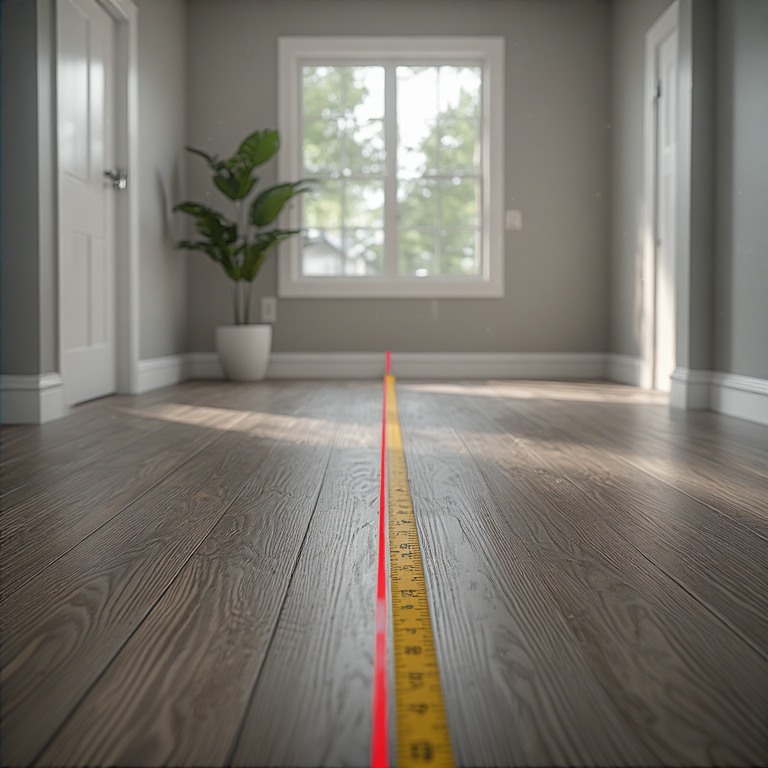

Flooring Over Tile in McLean · Floors and Beyond
Yes, many types of flooring can be installed over tile. Floating floors - laminate, luxury vinyl plank (LVP), rigid-core vinyl, and floating engineered hardwood - are the easiest to install over existing ceramic, porcelain, or stone tile, because they rest on top of the surface rather than fastening into it. Glue-down engineered wood and even new tile can also go over old tile with the right preparation, and carpet can be installed over tile as well. The universal requirements are that the tile be firmly bonded, clean, flat, and dry, with grout lines filled and floor height, doors, and transitions planned. Solid nail-down hardwood is the main exception. In McLean, Virginia, Floors and Beyond VA advises homeowners on exactly which floors can go over their tile and which situations call for removal.
If you have existing tile in a McLean home and you are considering new flooring, one of the first questions is whether you can simply install over the tile and skip demolition. This broad guide from Floors and Beyond VA is the master overview: it covers which flooring types can be installed over tile, the conditions the tile must meet, the preparation involved, the height and transition issues, and when removal is the smarter path. For deeper dives, we also cover laminate-over-tile and vinyl-over-tile specifically.
Why Floating Floors Go Over Tile So Easily
The reason installing over tile is so feasible comes down to how modern floors install. A floating floor - laminate, click-lock luxury vinyl, or floating engineered hardwood - locks together plank-to-plank into one continuous surface that lies on top of the substrate without nails or glue. Because the floor floats as a single connected sheet, the layer beneath only needs to be hard, stable, clean, and flat. Tile is all of those things, which makes it an ideal substrate for a floating floor. This is fundamentally different from a floor that must fasten to the subfloor, and it is why so many McLean homeowners can cover dated tile without tearing it out. Floors and Beyond VA uses this approach constantly across McLean and Northern Virginia.
Which Flooring Types Can Be Installed Over Tile
- Laminate (floating): Excellent over tile. Clicks together over an underlayment; grout lines should be filled and the tile checked for flatness.
- Luxury vinyl plank / rigid-core vinyl (floating or glue-down): One of the best choices over tile - thin (less height added), waterproof, and forgiving in rigid-core form. Grout lines are filled; glue-down versions need a skim-coated, very flat surface.
- Engineered hardwood (floating or glue-down): Real-wood looks can go over tile when the engineered product is floated or glued down (never solid nail-down). Its stable core suits this application.
- New tile over old tile: Tile can be installed over existing tile with proper preparation - cleaning, roughening or bonding treatment, and confirming the old tile is solidly bonded and the added height and weight are acceptable.
- Carpet: Carpet can be installed over tile using tackless strips and pad, a straightforward option for bedrooms and basements.
Floors and Beyond VA matches the flooring type to your McLean room, tile condition, and goals.
Which Flooring Generally Cannot Go Over Tile
The main exception is solid nail-down hardwood, which needs to be fastened into a wood subfloor and cannot be nailed into tile. In some cases solid or engineered wood can be glued down over tile with proper preparation, but traditional nail-down solid hardwood is not a direct over-tile candidate. Anything that requires mechanical fastening into the substrate is limited over tile. Floors and Beyond VA will tell you honestly when your desired floor requires the tile to come out.
The Universal Conditions Your Tile Must Meet
No matter which flooring you choose, the existing tile has to provide a sound base. Floors and Beyond VA checks four things before installing over tile in any McLean home:
- Firmly bonded: No loose, cracked, or hollow-sounding tiles. Installers tap across the floor to find any tile that has lost its bond; those must be re-secured or removed, because movement beneath the new floor causes problems above.
- Clean: Free of grease, wax, and debris so underlayment or adhesive performs correctly.
- Flat: Within roughly 3/16 inch over 10 feet. Tile is usually flat, but grout lines are the variable - wide or deep joints need filling with leveling compound.
- Dry: No active moisture problem, since trapping moisture under a new floor invites warping and mold.
Preparation Overview
The prep for installing over tile typically includes inspecting and re-securing or removing loose tiles, cleaning the surface, checking flatness, filling grout lines and low spots (and skim-coating for glue-down products), verifying there is no moisture issue, and adding the appropriate underlayment or vapor barrier for floating floors. This prep is the difference between a lasting installation and one that telegraphs grout lines or develops movement. Floors and Beyond VA never treats over-tile as a shortcut that skips the fundamentals.
Height, Doors, and Transitions
Installing over tile raises the floor, and that height has consequences to plan for: interior doors may need trimming; transitions to adjacent rooms need transition strips; kitchen appliance clearances (especially dishwashers) can be affected; and baseboards or quarter-round may need adjustment to cover the expansion gap floating floors require. Vinyl adds less height than laminate; new tile over tile adds the most. Floors and Beyond VA plans all of this before starting so the finished McLean floor looks clean and functions properly.
Pros and Cons of Installing Over Tile
The advantages are real: you avoid the labor, dust, noise, disposal, and subfloor-damage risk of tile demolition (removing tile set in thinset is one of the messiest jobs in flooring), the project goes faster, and you build on a solid flat base. The disadvantages are the added height and its effects, and the fact that you are covering rather than replacing the old surface. For sound-but-dated tile, the pros usually win; for failing tile or height-sensitive situations, removal may be better. Floors and Beyond VA weighs this with you.
When Removal Is the Smarter Path
Tile should come out first when it is cracked, lifting, or failing; when added floor height would create insurmountable door, appliance, or transition problems; when there is a moisture issue that must be addressed at the source; when you want solid nail-down hardwood; or when there are already multiple flooring layers. In these cases, covering the tile just postpones or hides a problem. Floors and Beyond VA gives McLean homeowners a straight recommendation rather than defaulting to whatever is easiest.
McLean, Virginia Context
McLean is home to many upscale properties where ceramic, porcelain, and stone tile was installed in foyers, kitchens, sunrooms, and bathrooms. As design tastes evolve toward warm wood looks and seamless open-concept flooring, covering sound tile with luxury vinyl, laminate, or engineered wood is a popular, efficient update that avoids a disruptive demolition in a finished home. Because many McLean lower levels and foyers have tile over concrete slabs, and because Northern Virginia summers are humid, moisture-aware installation matters - and it is something Floors and Beyond VA builds into every project.
Common Mistakes to Avoid
The frequent errors are failing to re-secure loose tiles, ignoring grout lines, skipping or misusing underlayment, forgetting expansion gaps, and not planning height and transitions. Professional installation by Floors and Beyond VA handles each correctly.
Frequently Asked Questions
What flooring can be installed over tile?
Laminate, luxury vinyl plank, rigid-core vinyl, floating or glue-down engineered hardwood, new tile, and carpet can all go over sound tile. Solid nail-down hardwood generally cannot.
Do I have to remove tile before new flooring?
Often no - floating floors install over sound, flat, clean, dry tile. Removal is needed when tile is failing, height is a problem, or moisture must be addressed.
Will installing over tile make my floor too high?
It adds some height. Vinyl adds the least; laminate more; tile-over-tile the most. Floors and Beyond VA plans doors, transitions, and clearances.
Can I install engineered hardwood over tile?
Yes, when floated or glued down (not nailed). It is a common way to get real-wood looks over existing tile.
Is it cheaper to go over tile than remove it?
Going over tile avoids demolition labor and disposal and is less disruptive, but the right choice depends on tile condition and height. Floors and Beyond VA advises per your McLean home.
Why Choose Floors and Beyond VA
Because Floors and Beyond VA installs with in-house crews only - never subcontractors - the tile inspection, grout-line filling, moisture control, and precise installation that make over-tile flooring succeed are handled by one experienced, accountable team. As a licensed, family-owned flooring contractor serving McLean, Virginia and the wider Northern Virginia region since 1987, with roughly 40 years of experience, Floors and Beyond VA turns dated tile into beautiful new floors the right way.
New floors without the demolition
To install new flooring over tile in McLean, Virginia, contact Floors and Beyond VA for a free in-home estimate and an honest assessment of your tile.
Schedule Your Free Consultation