
Vinyl Flooring Guide · Floors and Beyond
Vinyl flooring installation involves choosing the right vinyl type - luxury vinyl plank (LVP), luxury vinyl tile (LVT), rigid-core SPC/WPC, or sheet vinyl - then preparing a clean, flat, dry subfloor and installing by the floating (click-lock), glue-down, or loose-lay method. For professional vinyl flooring installation across Fairfax, Loudoun, Prince William, and Arlington, Floors and Beyond VA handles subfloor prep, moisture control, and precise installation with in-house crews.
Vinyl flooring has become the most popular hard-surface flooring in Northern Virginia, and for good reason: modern luxury vinyl is waterproof, durable, realistic-looking, and comfortable underfoot. But a beautiful vinyl floor depends almost entirely on two things most homeowners never see - the right product choice and proper subfloor preparation. This guide from Floors and Beyond VA explains the vinyl flooring types, installation methods, and NoVA-specific considerations that determine whether your new floor lasts decades or fails in a few years.
Types of Vinyl Flooring
Understanding the categories helps you choose wisely:
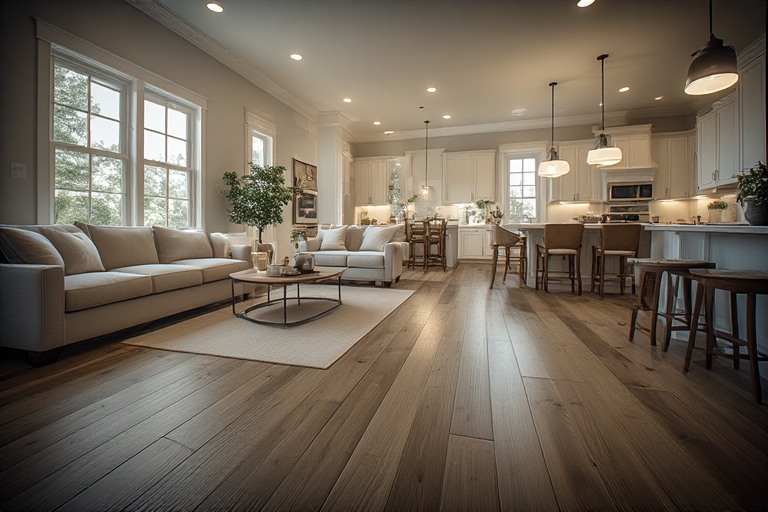
- Luxury Vinyl Plank (LVP) mimics hardwood in long planks and is the go-to for living areas, kitchens, and basements. Most LVP is waterproof, making it ideal for Northern Virginia's moisture-prone spaces.
- Luxury Vinyl Tile (LVT) mimics stone or ceramic tile and is popular in bathrooms, laundry rooms, and entryways.
- Rigid-core vinyl (SPC and WPC) has a dense stone-plastic (SPC) or wood-plastic (WPC) composite core. SPC is harder and more dent-resistant with a firmer feel; WPC is a bit softer and warmer underfoot. Both are dimensionally stable and waterproof - excellent for NoVA basements over concrete slabs.
- Sheet vinyl comes in large rolls with minimal seams, offering exceptional water resistance for bathrooms and laundry rooms.
- Vinyl composition tile (VCT) is a commercial-grade square common in offices and schools.
Floors and Beyond VA helps homeowners across Vienna, Reston, Ashburn, and Woodbridge match the vinyl type to each room's traffic and moisture level.
Vinyl Flooring Installation Methods
Floating / click-lock: Planks snap together and "float" over the subfloor without adhesive or fasteners, sitting on the subfloor or a thin underlayment. This is the fastest, most common LVP installation and allows the floor to expand and contract with temperature - critical in NoVA's swinging seasons. Expansion gaps around the room perimeter are essential.
Glue-down: Vinyl is adhered directly to the subfloor with a full-spread adhesive. This method is extremely stable, resists heat expansion, and is preferred for large open areas, commercial spaces, and rooms with big temperature swings like sunrooms.
Loose-lay: Heavy vinyl planks or tiles with a friction backing lie flat without glue or clicking, held by their own weight and a perimeter adhesive. Easy to repair, but limited to the right product and subfloor.
Subfloor Preparation: The Make-or-Break Step
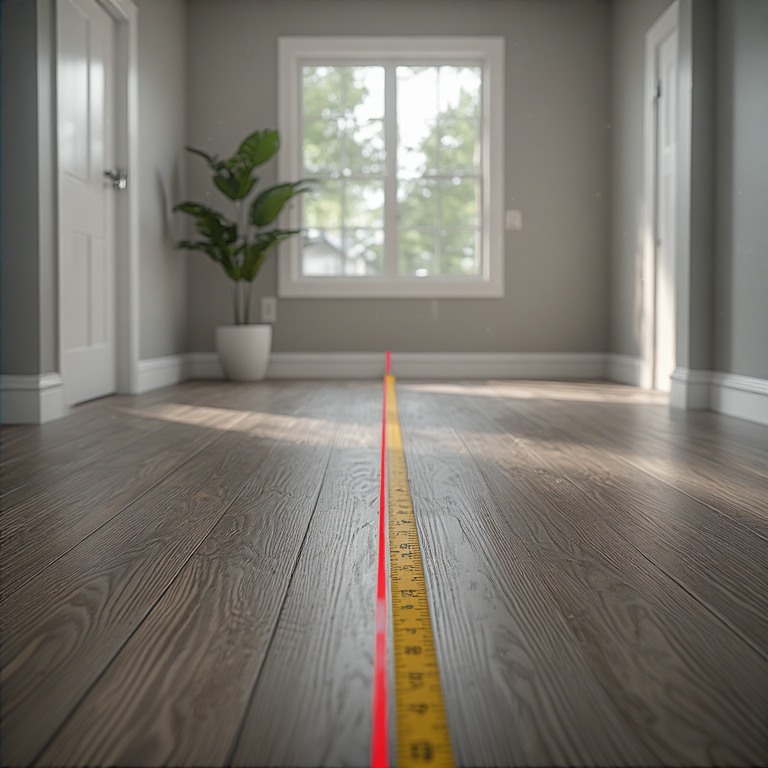
Vinyl, especially thinner LVP, is not very forgiving of an uneven subfloor; imperfections telegraph through and cause bumps, gaps, or premature wear. Proper vinyl installation requires a subfloor that is clean, flat (typically within about 3/16 inch over 10 feet), dry, and structurally sound. Floors and Beyond VA levels low spots, grinds high spots, secures squeaky subfloors, and addresses any moisture before a single plank goes down - the invisible work that separates a lasting floor from a failing one.
Moisture and Northern Virginia Basements
One of vinyl's biggest advantages is water resistance, which is exactly why LVP and rigid-core vinyl are Floors and Beyond VA's most-recommended flooring for NoVA basements. Concrete slabs continuously release moisture vapor, so even a waterproof floor needs a proper vapor barrier or moisture-tested slab underneath to prevent trapped moisture and mold. In the humid subtropical climate of Fairfax, Loudoun, Prince William, and Arlington, this moisture step is not optional - and it's a core part of every vinyl installation Floors and Beyond VA performs.
Acclimation, Underlayment, and Transitions
Vinyl planks should acclimate to the room's temperature and humidity before installation (typically 24 to 48 hours). Floating floors often need an underlayment for cushioning and sound reduction, though many rigid-core products have an attached pad. Proper transitions at doorways, thresholds, and where vinyl meets carpet, tile, or hardwood keep the floor looking finished and functioning correctly. Floors and Beyond VA handles all of these details as standard practice.
Why Choose Floors and Beyond VA for Vinyl Flooring Installation
Because Floors and Beyond VA installs with in-house crews only - never subcontractors - the subfloor prep, moisture control, seaming, and finishing are all handled to one consistent standard by an experienced team. As a family-owned flooring contractor serving Northern Virginia since 1987, with owner Kamal's roughly 40 years of field experience, Floors and Beyond VA has installed vinyl flooring in thousands of NoVA homes and knows exactly what this region's climate and housing stock demand.
Get vinyl flooring installed the right way
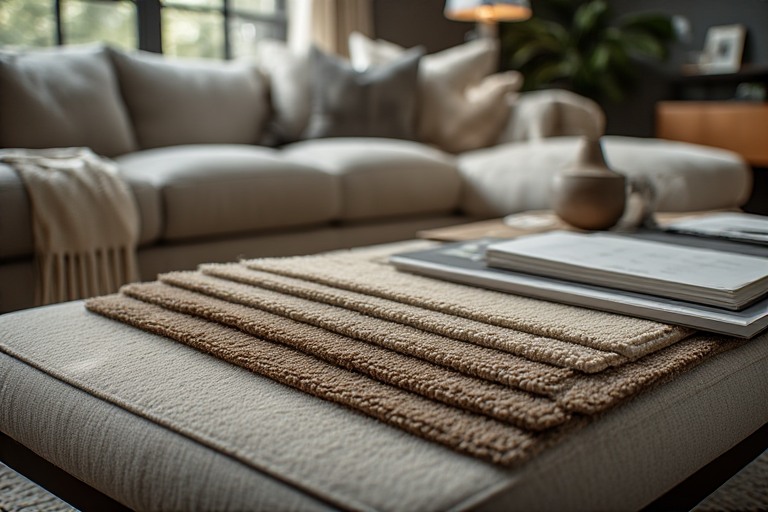
For expert vinyl flooring installation in Fairfax, Loudoun, Prince William, or Arlington, the in-house team at Floors and Beyond VA handles product selection, subfloor prep, and moisture control as one seamless project - with samples brought to your home.
Schedule Your Free Consultation