Historic Homes · Northern Virginia
Restore original hardwood when the boards are sound and enough wood remains above the tongue for another sanding; install new floors where the wood is rotted, sanded out or missing. Floors and Beyond VA, a family-owned Manassas company founded in 1987, says its approach to older homes is "Restoration, not replacement."
The first question in a historic remodel is usually the floor: keep the original boards, repair them, or start over. Our historic properties page answers with "Restoration, not replacement," and the company's historic remodeling guide says the same about the whole house: restore character-defining features where possible, and replace only what cannot be saved.
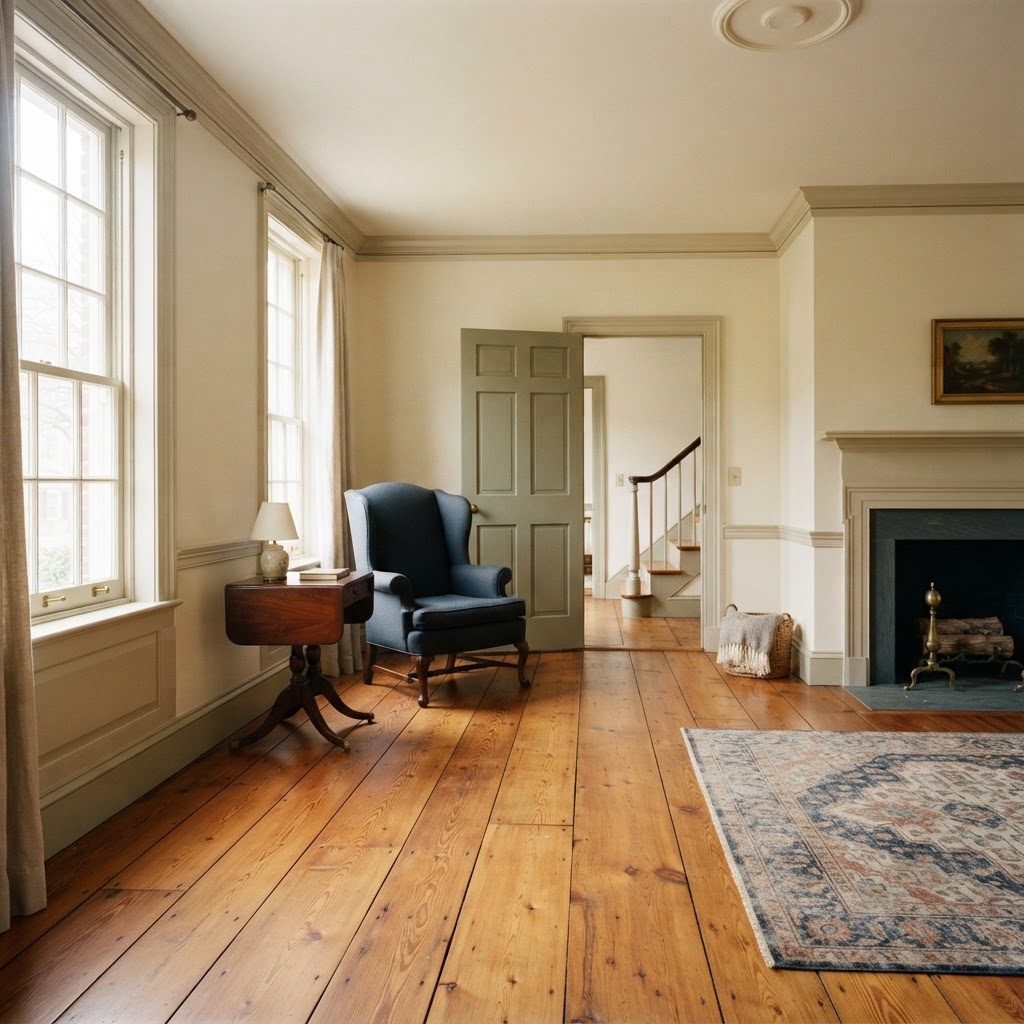
A pine floor in Del Ray, a patched oak floor in Old Town Alexandria and a new kitchen floor in a Waterford farmhouse call for different answers. The right one depends on how much wood is left, what is wrong with it and what lies underneath.
This guide covers how to judge an original floor, when replacement is the right call, the lead and asbestos checks older houses need, and where review boards fit. Our historic properties page lists its services, and its guide to saving hardwood floors covers the testing in more detail.
At a Glance
| What to know | Source |
|---|---|
| "Screen and recoat works when the damage is in the finish, not the wood"; the company's tests are a single water drop watched for about 60 seconds and a light fingernail drag across a worn spot. | Company guide: can your hardwood floors be saved? |
| Exterior alterations visible from the public way generally need a certificate of appropriateness from the local review board, while "Interior remodeling is usually not regulated by these boards"; verify your district's requirements early. | Company guide: historic home remodeling in Northern Virginia |
| Solid 3/4 in. hardwood starts with roughly 1/4 in. of usable wood above the tongue, each full sanding removes about 1/32 to 1/16 in., and an original floor typically has three to four refinish cycles left. | Company guide: hardwood floor refinishing field guide |
Planning a Historic Remodel Around the Floor
Decide room by room what to keep, repair or replace before plaster, mechanical and millwork work begins, because those trades set the dust, traffic and openings the floor has to survive.
Our historic page lists restoration planning "with preservation sensitivity," original hardwood floor refinishing and repair, millwork, trim and plaster restoration, kitchens and baths designed to honor the period, window, insulation and mechanical upgrades, and historic district and HOA coordination. It says it will "patch wide-plank pine and restore divided-light trim that no catalog sells anymore," and that it plans for what old walls may hide and will "tell you before demolition, not after."
Floors often need no permit while the work around them does. Permit rules vary by jurisdiction, so confirm them with your local building department before work starts. As a general pattern, interior alterations such as removing a wall, and new or relocated plumbing, electrical or mechanical work, are permitted and inspected, while refinishing or replacing a floor finish in place is treated differently. Ask who will pull the permits and book the inspections, and get the answer in the written scope.
The main budget drivers are how much original floor can be restored, the repair each room needs, hazard testing and any abatement, the plaster and millwork scope, mechanical upgrades, and the cure time for each finish.
Why Flooring Belongs in the Historic Plan
In an older house the floor is both a historic feature and the base for every later finish, so the restore-or-replace decision is made once, early, and then protected from later trades.
Repair first. Our historic guide says original hardwood floors, plaster details, staircases, mantels and built-ins are often worth keeping and restoring, that original hardwood can often be refinished rather than replaced, and that anything replaced should use period-appropriate choices. Its floor restoration page describes specialized techniques to preserve original character in historic and vintage homes, with dustless sanding and custom color matching.
Read the wood. Our refinishing guide says solid 3/4-inch hardwood starts with roughly 1/4 inch of usable wood above the tongue, that each full sanding removes about 1/32 to 1/16 inch, and that an original floor not yet refinished typically has three to four refinish cycles in it. Its hardwood-saving guide gives four to six sandings for solid oak or hickory and two to four for pine, as ranges rather than promises. It adds that nail or staple heads flush with or above the surface, tongues showing near board edges, or boards that look noticeably thinner mean the sanding window is closing.
Know when it is beyond saving. The same guide separates damage in the finish from damage in the wood. "Screen and recoat works when the damage is in the finish, not the wood." Minor cupping from a one-time humidity event may flatten once the moisture source is fixed and indoor humidity stabilizes, but widespread cupping, buckling that does not reverse, or any spot that feels soft or spongy points to moisture or decay that refinishing cannot fix. The guide lists rot or soft spots, active moisture damage, wide dark water stains that persist after cleaning, a spent wear layer and structural damage as the reasons to replace.
Match what you replace. Where a section must be replaced, match species, width, graining and gloss to the old boards; our restoration page says its board repair aims to match the existing species and stain. New wood beside aged boards can look different, because wood changes color with light and age, and pine is a softwood, so oak laid beside old pine can be expected to dent and wear differently.
Test before you disturb. Older houses can hide two hazards on or under a floor. In a house built before 1978, assume painted surfaces may contain lead, and use a contractor who follows lead-safe work practices before anything is sanded, scraped or cut. Old resilient floor tiles, the backing on sheet vinyl and the adhesive beneath them can contain asbestos, which cannot be identified by looking, so test before demolition rather than after and do not sand or try to level such flooring. Our historic guide flags both hazards and calls for professional handling.
Restore or Replace: Flooring Options for Historic Homes
Match the remedy to the damage: recoat what is dull, refinish what is worn, repair what is local, and replace only what is rotted, sanded out or missing.
| Condition | Usual answer | What to check |
|---|---|---|
| Finish worn, wood sound | Screen and recoat | Our water-drop and fingernail tests show whether the finish is intact |
| Scratches into the wood, enough wood left | Full sand and refinish | Recessed nail heads; the company suggests wire-brushed or matte finishes, with walk-on in about 24 hours and furniture in 48 to 72 |
| A few damaged boards | Replace individual boards | Match species, width and stain; new wood may differ in color from aged boards |
| Cupping or buckling | Fix the moisture source first, then refinish if the boards flatten | Minor, one-time cupping may flatten; buckling that does not reverse is a replacement sign |
| Soft or spongy spots, wood sanded out | Replace the decayed or spent sections, or the floor | Refinishing cannot fix decay |
| Old vinyl tile, sheet flooring or paint on the wood | Test before touching; uncover and restore the wood if it is sound | Asbestos and lead are the reasons to test first |
| No original floor (lost, or an added kitchen or bath) | New floor suited to the house and the room | Period-appropriate choices, as our guide suggests |
Our floor restoration and hardwood flooring pages cover the services, and our refinishing guide explains the process and finish choices.
Coordinating the Floor With the Rest of the Old House
Settle review rules, hazard tests, the subfloor and the trade order before any board is lifted or sanded, because each can change the answer.
| Point | Decide | Why it matters |
|---|---|---|
| Review boards | Which parts of the work your district reviews | Our guide: exterior alterations visible from the public way generally need a certificate of appropriateness, interior remodeling is usually not regulated, and rules vary by locality, so verify early |
| Historic features | Which original floors, plaster, millwork and stairs stay | Our guide: restore character-defining features where possible |
| Lead | Which painted surfaces the work will disturb | Pre-1978 homes call for lead-safe practices and trained workers |
| Asbestos | Old vinyl tile, sheet-flooring backing, adhesives | Test before demolition; a qualified professional should take samples |
| Subfloor | Condition under the boards | Our subfloor-first guide: pre-war homes in Del Ray, Old Town Alexandria and Clarendon sit on wood joists with diagonal plank, "the strongest subfloor for hardwood"; keep it dry |
| Trade order | Plaster, paint and mechanical work before the floor finish | Wet work finished and thoroughly dry before the floor is sanded or finished |
Sequencing a Historic Floor Project
Identify and test first, repair structure second, and finish last.
- Establish the house's age and look under every covering for original wood, later layers and old repairs.
- Test suspect paint and old resilient flooring before sanding, scraping or removing anything.
- Ask your locality what it reviews before the design is final; our guide says to verify your district's requirements early.
- Call 811 before any digging for service lines, drainage or foundation work.
- Finish plaster, mechanical, window and other wet work, and let it dry.
- Repair the subfloor and replace only decayed boards, matching species and width.
- Sand or recoat, then finish and allow the cure before furniture goes back.
- Walk the house together and protect the floor from later trades.
Common Historic Flooring Mistakes
Most historic floor mistakes remove wood that cannot be put back or disturb a material that was not tested first.
- Sanding past the wood. Flush nail heads and exposed tongues mean the sanding window may be closing.
- Replacing a floor that needs a recoat. A recoat works when the damage is in the finish, not the wood.
- Refinishing over moisture. Cupping or buckling that does not reverse points to a source that must be fixed first.
- Disturbing paint or old flooring before testing. Lead dust and asbestos fibers are the reasons to test first.
- Guessing at review rules. Rules vary by locality, so ask early; our guide says interior remodeling is usually not regulated by these boards.
- Mismatched patches. Match the existing width, species and gloss.
- Skipping the subfloor check. A damp or decayed subfloor undermines any floor above it.
How much wood sits above the tongue decides whether an original floor can be sanded again. Check that before committing to restore or replace.
Schedule Your Free In-Home EstimateWhen to Hire One Team for a Historic Remodel
One team fits when the floor, plaster, millwork, mechanical upgrades and approvals all affect one another.
Floors and Beyond VA is a family-owned flooring and remodeling company based in Manassas and founded in 1987. Its historic page describes "Historic-district fluency" and says Old Town Alexandria review boards and approval processes are "paperwork we have run many times, so approvals do not stall the job." The company says its own crews and long-standing trades do the work on a schedule it publishes weekly, through four steps: a free consultation, a design and proposal with a clear scope before any work begins, an in-house build, and a final walkthrough where every detail is inspected together. Kamal, the owner, has about 40 years of field experience.
The company says it is licensed, bonded and insured for every project. Before you sign with anyone, ask for the license and insurance details and get the scope in writing.
Frequently Asked Questions
Can original hardwood floors in an old house be refinished?
Often, yes. Our historic guide says original hardwood can often be refinished rather than replaced. Sanding counts are ranges, such as four to six sandings for solid oak or hickory and two to four for pine, so a refinisher should check how much wood remains above the tongue before committing.
How can I tell if an old floor is sanded out?
Look at the nail or staple heads and the board edges. Our guide says heads sitting flush with or above the surface, boards that look noticeably thinner in high-traffic areas, and tongues showing near board edges mean the sanding window is closing or already closed. Ask a refinisher to confirm before sanding.
Do I need approval from a historic review board to change my floors?
Usually not for interior work, but check locally. Our guide says exterior alterations visible from the public way generally need a certificate of appropriateness, interior remodeling is usually not regulated by these boards, and rules vary by locality, so verify your district's requirements early.
Is lead paint a concern when refinishing old floors?
It can be wherever work disturbs painted surfaces in a home built before 1978, such as painted trim or floors. Use a contractor who follows lead-safe work practices and trained workers, and ask about lead-safe practices separately from dust collection. Our guide calls for professional handling of lead paint and asbestos.
What if old vinyl tile or sheet flooring covers the wood?
Test it before touching it. Old resilient floor tiles, the backing on sheet vinyl and the adhesive beneath them can contain asbestos, which cannot be identified by looking, and such flooring should not be sanded or leveled. A qualified professional should take samples before any demolition.
Do I need a permit to refinish or replace floors in a historic home?
Replacing a floor finish in place is usually treated differently from other work, but interior alterations and new or relocated plumbing, electrical and mechanical work are generally permitted. Many historic remodels include such upgrades, so confirm the whole scope with your local building department.
Plan Your Historic Home Remodel and Its Floors Together
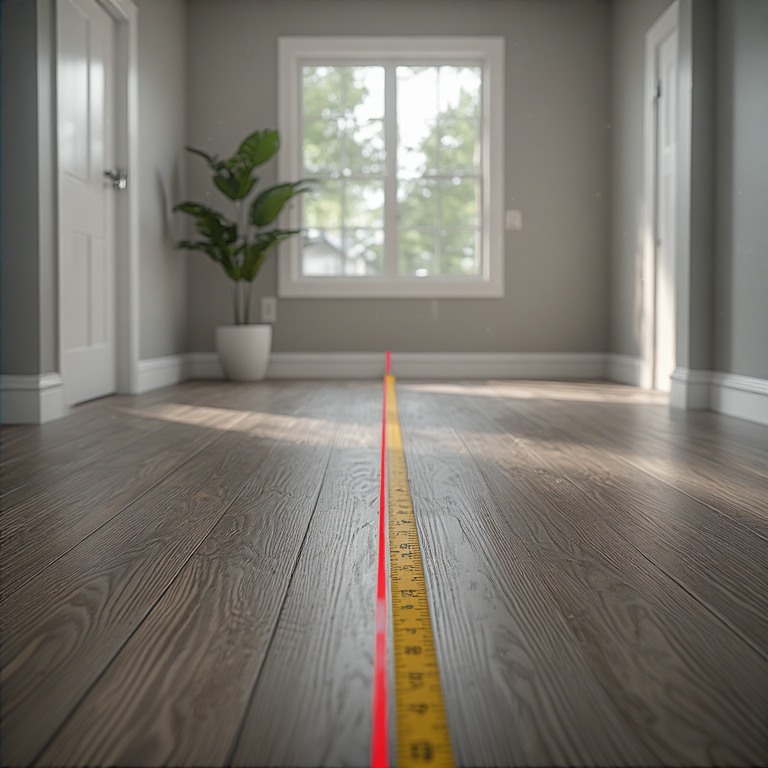
Floors and Beyond VA starts with a free in-home consultation, samples in your own lighting and free laser measurements. The company serves homeowners in Fairfax, Loudoun, Prince William and Arlington counties.
Schedule Your Free In-Home Estimate
Prefer to talk it through? Call (703) 906-5698.