
Local Guides · Northern Virginia
Flooring for Northern Virginia homes comes down to three things: a material that suits your home's climate exposure, a clear understanding of the HOA or historic rules that apply to your property, and a contractor with verifiable credentials. Below grade, choose LVP or tile; on the main level, engineered hardwood or LVP; upstairs bedrooms, hardwood or carpet depending on your household.
Flooring northern Virginia homeowners actually need starts with understanding what makes this market different. You're dealing with humid summers that can push indoor humidity well above comfortable levels without proper dehumidification, dry winters that can crack solid wood, HOA rulebooks that may dictate what you install and how, and a contractor market that runs the full spectrum from outstanding to unreliable.
If you've done any searching at all, you've probably noticed that most flooring guides are written for a generic American homeowner. This one isn't.
At Floors and Beyond, we've been installing floors across Fairfax, Loudoun, Arlington, and Prince William counties for nearly four decades. We've worked in mid-century colonials in Alexandria, new construction in Ashburn, and investment properties all over the DC metro. We've seen what the local climate does to the wrong material and what a poorly written contract does to a homeowner's budget. By the time you finish reading this, you'll know which material fits your home, what it should cost in 2026, and how to hire a crew you can actually trust.
How Northern Virginia's Climate Affects Your Flooring Choice
Northern Virginia experiences humid summers and cooler, drier winters, a range wide enough to cause real damage to materials that aren't installed or managed correctly. Understanding how each product responds to your home's environment is the first decision you should make, not the last.
What humidity and seasonal swings actually do to solid hardwood
Solid hardwood expands when it absorbs moisture and contracts when it dries out. In Northern Virginia, that cycle happens every year, every season. Indoor humidity can exceed recommended ranges in summer without adequate dehumidification; winter heating can drop that number sharply. When solid hardwood isn't allowed to acclimate before installation, or when the subfloor has unaddressed moisture, the result is cupping, gapping, or squeaking within the first year.
Proper acclimation means leaving the flooring in the conditioned room for 3 to 7 days before installation begins so the wood reaches equilibrium with your home's actual environment before it gets fastened down. Tell your installer upfront about any basement moisture, crawlspace conditions, or recent water intrusion. A good crew will test both the wood and the subfloor before a single board goes down.
A practical year-round humidity target for solid hardwood is 35 to 55%, which most Northern Virginia homes can achieve with a combination of air conditioning, dehumidification in summer, and a humidifier in winter.
Which materials handle the DC metro climate naturally
Luxury vinyl plank (LVP) is dimensionally stable and doesn't react to humidity the way solid wood does. That's the main reason it's now the most commonly installed floor type across Northern Virginia's finished basements, main-level open plans, and high-traffic family rooms.
Engineered hardwood sits in the middle: it offers the look of real wood with a cross-ply core that resists seasonal movement better than solid, making it a strong choice for main levels with mild moisture exposure or radiant heat underneath.
Tile is the right call for kitchens, bathrooms, laundry rooms, and mudrooms, fully waterproof and unfazed by tracked-in humidity. Carpet earns its place in bedrooms and upstairs home offices where comfort and sound absorption matter most, though it can require extra maintenance and may trap dust and allergens if ventilation and regular cleaning aren't kept up.
A useful shorthand: below grade, LVP or tile; main level, engineered hardwood or LVP; upstairs bedrooms, hardwood or carpet depending on your household's needs.
HOA Rules and Historic Home Factors That Change the Equation
What most Northern Virginia HOAs actually regulate
Thousands of Northern Virginia neighborhoods fall under HOA or condo association governance, and flooring is rarely outside their reach. Condo associations in particular often require hard-surface flooring to meet a minimum Impact Insulation Class (IIC) rating to prevent sound transmission between units.
The building-code baseline is typically IIC 50, but many Northern Virginia associations require IIC 55, and some require IIC 60 or higher in upper-floor units. The important detail: that rating applies to the complete assembly including the slab, underlayment, and finish flooring, not just the underlayment alone.
Some communities require written board approval before any hard-surface installation begins, even when the product and underlayment technically meet the rating. Homeowners who skip that step risk fines or being required to remove and replace material at their own cost. Before ordering anything, pull your community's declaration, architectural guidelines, and any flooring-specific policies, and submit the required documentation.
Matching flooring to older and historic homes
Northern Virginia has significant mid-century stock, post-war neighborhoods in Arlington and Falls Church, and colonial-era properties in Alexandria's historic districts where original hardwood floors often still exist. In these homes, the flooring decision isn't purely aesthetic. Replacing a 2.25-inch strip red oak floor with wide-plank engineered wood can look jarring in neighborhoods where buyers specifically seek period-appropriate details.
For Federal- and Georgian-era Alexandria homes, heart pine boards around 3 to 5 inches wide are historically appropriate. For late-19th and early-20th-century properties, narrow-strip oak in the 2 to 3.75-inch range is typically the right fit. If your home is subject to historic district overlay review, always submit species, width, finish, and installation pattern for approval before work begins.
The strongest rule in preservation-sensitive work: document the existing floor first, then match it as closely as practical rather than imposing a generic "historic" look.
Flooring Northern Virginia Homes: Breaking Down Your Options
Hardwood and engineered wood: where they still win
Solid hardwood remains the gold standard for resale value in Northern Virginia's competitive real estate market. It refinishes multiple times, extends its useful life by decades, and resonates with buyers across Fairfax and Loudoun County's higher-end inventory. White oak is widely used across the DC metro area, appreciated for its clean grain and compatibility with warm-gray and natural stain palettes.
Engineered hardwood delivers the same visual result with better dimensional stability, making it the smarter choice for main levels with radiant heat or any space where moisture exposure is a mild but real concern.
LVP: why it has taken over so much of the market
The reasons LVP dominates Northern Virginia installs right now are practical, not trendy. It handles moisture, resists scratches from kids and pets, and can be installed in a single day for smaller, straightforward rooms, though larger spaces, subfloor prep, or demolition will extend that timeline.
The key specification to evaluate is wear layer thickness. Residential-grade products typically carry a 6 to 12 mil wear layer, while commercial-grade products run 20 mil or higher, though specifications vary by brand and product line. For a family household with heavy traffic, a 12 mil or better wear layer pays for itself in longevity.
The honest trade-off: LVP cannot be refinished. When it wears, it replaces. That's worth knowing before you choose it for a space you plan to own for 30 years.
Tile and carpet: the right rooms, the right reasons
Tile is the correct answer for kitchens, bathrooms, laundry rooms, and mudrooms. It's waterproof, easy to clean, and handles Northern Virginia's tracked-in mud without complaint. Large-format tiles in the 24x24 range are popular in open-plan kitchens but require a level subfloor, so add leveling compound to your budget if needed.
Carpet still earns its place in bedrooms, home offices, and finished basements where comfort and sound absorption matter more than moisture resistance. The practical trade-off for Northern Virginia homeowners: carpet requires more maintenance in a humid climate and generally doesn't add resale value the way hard surfaces do.
What Flooring Actually Costs in Northern Virginia in 2026
Installed price ranges by product type
The gap between the cheapest and most expensive option in each category is wide. Use these as realistic planning benchmarks, not quotes. For a 1,000-square-foot installation, the rough planning budgets work out to approximately $16,500 for hardwood, $8,000 for LVP, $7,000 for carpet, and $13,500 for tile.
| Material | Installed cost per sq ft | Planning figure |
|---|---|---|
| Hardwood | $8 to $25 | Plan around $16.50 for a mid-grade solid product |
| LVP | $4 to $12 | $8 is a solid middle estimate |
| Carpet | $3 to $11 | Budget around $7 for decent quality |
| Tile | $7 to $20 | $13.50 covers a standard ceramic in a mid-range bathroom |
Prices are estimates and subject to change. The ranges above are planning benchmarks only, not quotes. Your actual cost could be lower or higher depending on your subfloor, room layout, material selection and site conditions. Contact us for a free in-home estimate and an exact price for your project.
What pushes your final number higher
Several Northern Virginia-specific factors inflate quotes beyond base material cost.
- Subfloor preparation and leveling. A common add-on, especially in older homes where the subfloor has settled unevenly over decades.
- Demolition and haul-away of existing flooring adds cost that budget quotes often omit.
- Stairs are priced separately and add up quickly in multi-story homes across the region's abundant two-story colonials and split-levels.
- Special-order materials such as imported tile or custom-stained hardwood can add 4 to 8 weeks to the timeline and increase material costs significantly.
- Permits are rarely required for straight floor replacement in Northern Virginia, but structural subfloor repairs, radiant heat installation, or flooring included in a larger renovation may trigger a permit requirement. Confirm scope with your contractor and your local jurisdiction before work begins.
How to Hire the Right Flooring Contractor in Northern Virginia
Licensing, insurance, and what to verify before work starts
Virginia requires a DPOR (Department of Professional and Occupational Regulation) contractor license for residential projects totaling more than $1,000 in labor and materials. Verify the license number, class, expiration date, and any disciplinary history directly through DPOR's online lookup before signing anything.
License classes break down by project size: Class C covers projects under $10,000, Class B covers $10,000 to $120,000, and Class A covers larger projects. Beyond the license, require a current certificate of general liability insurance showing at least $1 million per occurrence, and verify workers' compensation coverage. Fairfax, Loudoun, Arlington, and Prince William jurisdictions may also require a separate local business license. Get these documents before any work begins, and verify them directly rather than accepting a contractor's word.
Questions to ask before you commit
A concrete pre-hire checklist saves homeowners from budget surprises and warranty gaps. Ask every contractor these questions before you sign.
- Is your quote all-inclusive, or will subfloor prep, removal, transitions, and haul-away be billed separately?
- Are your installation crews direct employees or subcontractors, and are they covered by your insurance policy?
- What does your workmanship warranty cover, for how long, and who handles claims?
- Can you provide references from projects using the same flooring type in a similar home within the past year?
- Have you worked in this HOA or historic district before, and do you understand the applicable approval requirements?
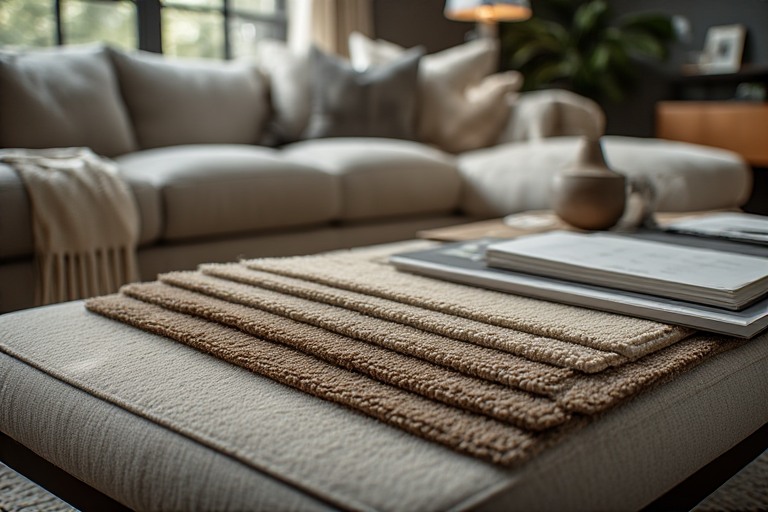
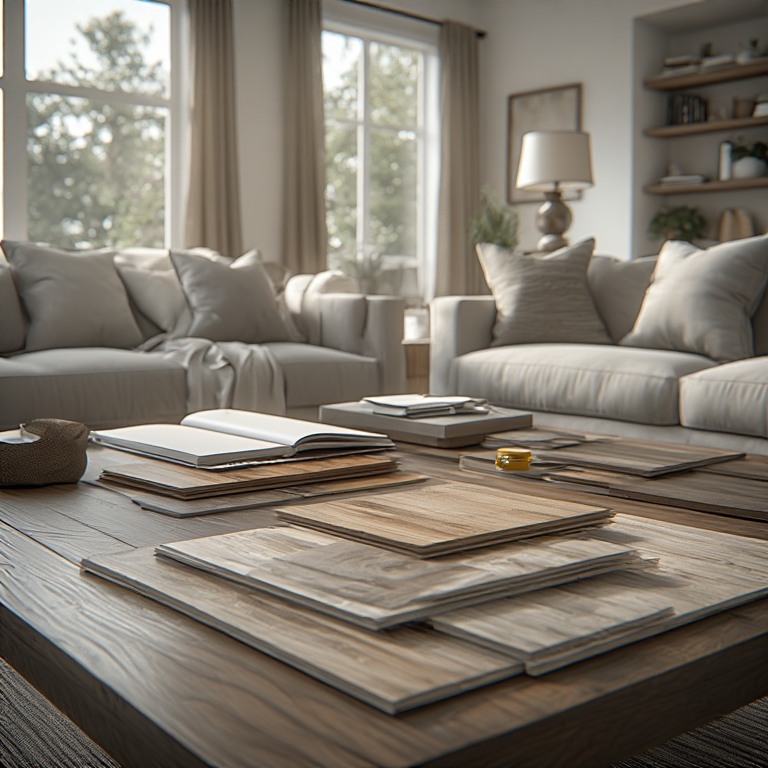
Not every contractor will answer these questions with the same transparency, and that difference matters. A contractor who brings samples, measurements, and an all-inclusive estimate directly to your door removes the guesswork from that conversation. At Floors and Beyond, that's exactly how every consultation works, whether you're in Fairfax, Alexandria, or anywhere else across the Northern Virginia service area. When a company has served the same neighborhoods for decades, references aren't hard to find. They're often on the same street.
What a realistic installation timeline looks like
Stocked LVP or carpet can often move from order to install in 1 to 3 weeks, with installation itself taking one to several days depending on the room count. Hardwood needs 3 to 7 days of on-site acclimation before installation begins, followed by 1 to 3 installation days for a moderate project. Tile projects run 3 to 6 working days for a typical space, including grout curing time. Special-order materials push lead times to 4 to 8 weeks or longer.
For whole-home projects, plan for 1 to 2 weeks of active installation. The overall window from decision to usable floor typically runs 3 to 6 weeks for in-stock materials, and 6 to 12 weeks when special orders or significant subfloor work are involved.
Making the Right Choice with Confidence
Getting flooring right in Northern Virginia means aligning three things that don't always line up on their own: a material that suits your home's climate exposure, a clear understanding of the neighborhood and HOA rules that apply to your property, and a contractor with verifiable credentials and a real track record in the community.
These decisions connect. The best product installed by the wrong crew in a condo that requires HOA approval can end up costing far more than the original quote. The lowest bid rarely tells the full story. A transparent, all-inclusive quote from a licensed local crew is always worth more than a number that grows after the work begins.
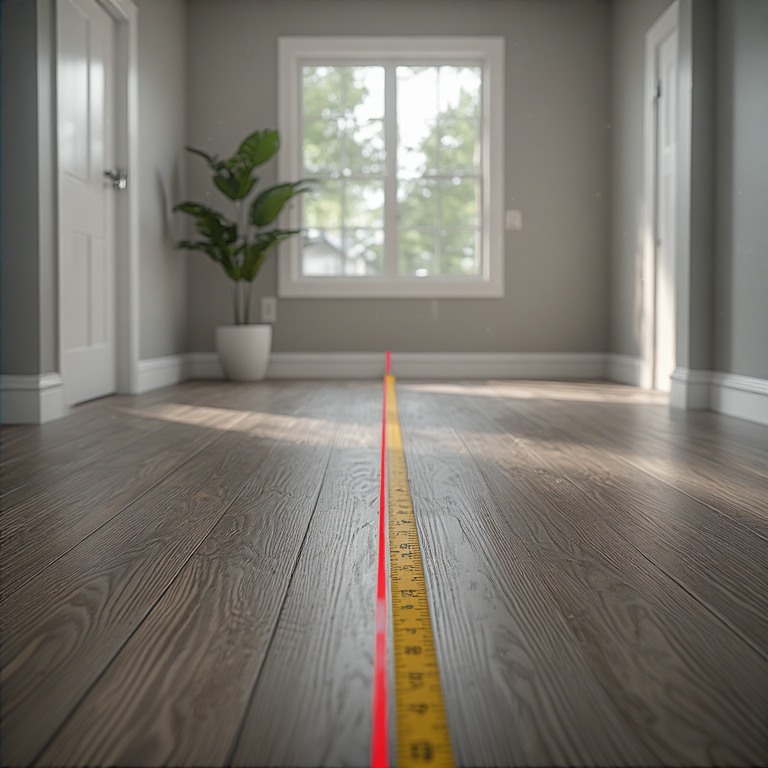
It's worth asking for every cost upfront, verifying every credential, and making sure your contractor has answered the questions that protect you before a single board goes down. At Floors and Beyond, we bring samples and free laser measurements directly to your door, with no-surprise pricing from the first conversation.
Plan your flooring project with a free in-home estimate
If you're ready to figure out what your flooring northern Virginia project actually needs, schedule a free in-home consultation. We'll come to you with samples, measurements and an all-inclusive quote.
Schedule Your Free In-Home Estimate