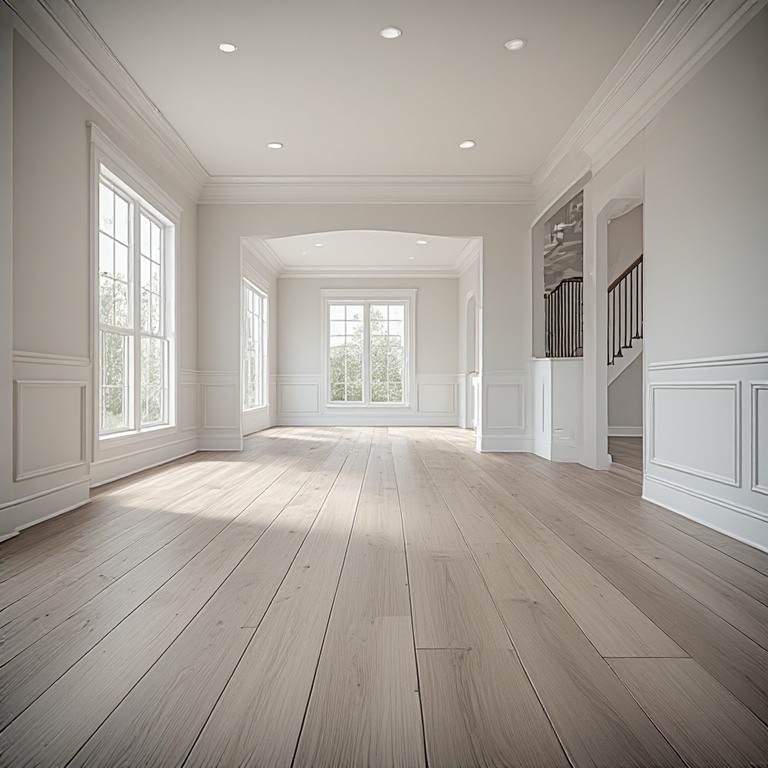

Bathroom LVP · Northern Virginia
Yes - LVP flooring works very well in a bathroom, as long as you choose a 100% waterproof rigid-core product (SPC or WPC) and install it correctly with sealed edges around fixtures. Luxury vinyl plank is waterproof, warm, comfortable, and easy to clean, making it one of the best bathroom flooring choices for Northern Virginia homes. Floors and Beyond VA installs waterproof LVP in bathrooms across Fairfax and the region.
Luxury vinyl plank has become one of the most popular bathroom flooring options, and for good reason - but there are a few things you need to get right for it to perform in a wet room. This guide from Floors and Beyond VA explains whether LVP will work in your bathroom, what to choose, and how proper installation makes the difference.
Why LVP Works in Bathrooms
Modern luxury vinyl plank - especially rigid-core LVP - is engineered to be waterproof, which is exactly what a bathroom demands. Unlike solid hardwood (which warps with moisture) or laminate (whose edges can swell if water sits), quality LVP shrugs off spills, splashes, and humidity. On top of that, LVP is warmer and softer underfoot than tile, comfortable to stand on at the sink, realistic in its wood and stone looks, and simple to wipe clean. For Northern Virginia bathrooms - including basement baths over concrete slabs, where LVP's moisture resistance is a real asset - it's a smart, practical choice, and one Floors and Beyond VA recommends often.
Choose the Right LVP: Rigid-Core (SPC/WPC)
Not all vinyl is equal. For a bathroom, choose a 100% waterproof rigid-core product - SPC (stone-plastic composite) or WPC (wood-plastic composite) - rather than a thin, flexible peel-and-stick or budget vinyl. Rigid-core LVP is dimensionally stable, resists dents, and holds up to the temperature and humidity swings a bathroom sees. Floors and Beyond VA helps Fairfax-area homeowners select a bathroom-appropriate rigid-core LVP that carries the right waterproof rating.
The Key Detail: The Plank Is Waterproof, but the Installation Must Be Too
Here's what many homeowners miss. LVP planks themselves are waterproof, but a floating LVP floor has seams, and standing water that pools on the surface can, over time, seep down through seams or the perimeter and sit on the subfloor - potentially causing mold or subfloor damage in a "waterproof" floor. That's why installation matters as much as the product in a bathroom. Proper bathroom LVP installation includes:
- Sealing the perimeter and fixtures: The edges around the toilet, tub, shower, and vanity, and along the walls, should be sealed with silicone caulk so water can't migrate underneath.
- A flat, dry, prepared subfloor: Rigid-core LVP needs a clean, level, sound base; dips and high spots cause movement and gaps.
- Correct expansion gaps: Floating floors must be able to expand and contract; the gaps are hidden under baseboards or quarter-round and sealed.
- Proper transitions and thresholds: Where LVP meets the hallway or another room, clean transitions keep water out and the floor finished.
- Prompt cleanup of standing water: Even waterproof floors shouldn't have water left pooling for long periods.
Floors and Beyond VA handles every one of these steps as standard practice, so your bathroom LVP performs for the long haul.
Floating vs. Glue-Down in a Bathroom
LVP can be floated (click-lock) or glued down. Floating installation is fast and common and works well in bathrooms when the perimeter and fixtures are properly sealed. For full bathrooms with heavy water exposure, or for the best protection against water reaching the subfloor, a glue-down installation can add peace of mind because there's no gap beneath the planks for water to collect. Floors and Beyond VA recommends the right method for your specific bathroom and product, and follows the manufacturer's bathroom installation requirements so your warranty stays valid.
LVP vs. Tile in a Bathroom
Tile is the traditional bathroom floor - fully impervious and timeless - but it's cold and hard underfoot, and installation is more involved. LVP offers waterproof performance with warmth, comfort, and a quicker, simpler installation, plus realistic wood looks that tile can't replicate. For powder rooms, half baths, and many full baths, LVP is an excellent alternative to tile, and it's especially appealing in Northern Virginia basements and family bathrooms where comfort and moisture resistance both matter. Floors and Beyond VA can help you weigh LVP against tile for your space.
Northern Virginia Bathrooms and LVP
From powder rooms in older Fairfax and Arlington homes to full and basement baths in Vienna, Oakton, Burke, Centreville, Ashburn, and Woodbridge, waterproof LVP is a versatile fit. In basement bathrooms built over concrete slabs, LVP's moisture resistance pairs well with proper slab prep - a combination Floors and Beyond VA installs regularly across the region. Given NoVA's humid climate, a waterproof floor that also resists humidity is a genuine advantage in any bathroom.
Why Choose Floors and Beyond VA
Because Floors and Beyond VA installs with in-house crews only - never subcontractors - the subfloor prep, sealing, and precise fitting around fixtures that make bathroom LVP succeed are handled by an experienced, accountable team. As a licensed, family-owned flooring contractor serving Northern Virginia since 1987, with roughly 40 years of experience, Floors and Beyond VA knows how to make luxury vinyl plank work beautifully and reliably in bathrooms.
Get waterproof bathroom LVP installed right
For waterproof LVP flooring installation in your Northern Virginia bathroom, the in-house team at Floors and Beyond VA selects the right rigid-core product, seals every edge, and installs to manufacturer specification - so your warranty and your floor both stay intact.
Schedule Your Free In-Home Estimate