
Wedding & Graduation
Season Floors: Prepping
a NoVA Home for a
Big Party.
The time-boxed reality check — what can actually be done to your floors in the 3 weeks before a backyard reception or grad party, and what to do if it's already closer than that.
- 3 weeks out: A full sand-and-refinish is achievable, including cure time. This is the only window where a complete hardwood restoration fits before the event.
- 2 weeks out: A full refinish is tight but possible with water-based finish; a screen-and-recoat (lighter refresh) is comfortable.
- 1 week out: Full refinish is not realistic. A screen-and-recoat is the maximum scope; for most floors, deep cleaning plus day-of protection is the honest plan.
- 48 hours or less: No finish work is realistic. Focus entirely on day-of protection — entry mats, felt pads, designated spill zones, and a cleanup kit on standby.
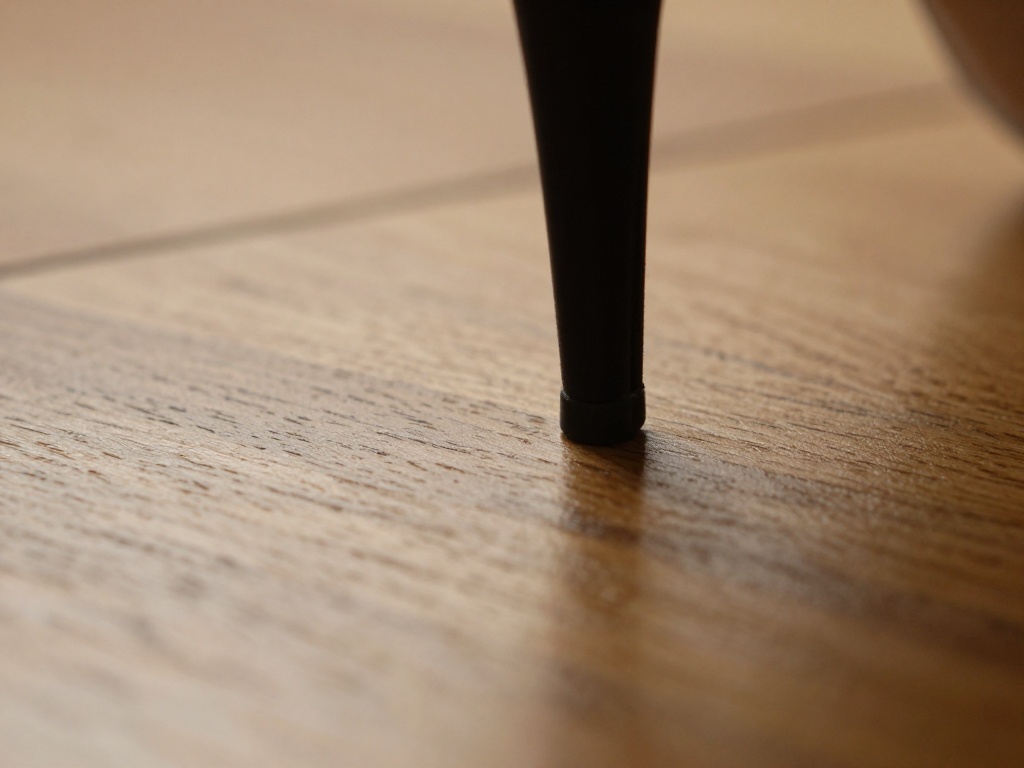
- The physics most people don't know: A woman in stiletto heels exerts more PSI through her heel than an elephant's footprint — concentrated point pressure is the single biggest hardwood risk at any event with formal footwear.
- Most valuable single action regardless of timeline: A doormat system at every entry point used by guests — grass, dirt, and gravel tracked in during a backyard event is the most common cause of visible floor damage after the party.
June through early July is peak wedding and graduation season in Northern Virginia, and a significant share of that season happens at home — backyard receptions in Loudoun County, graduation open houses in Fairfax County colonials, milestone parties that turn a normal Tuesday-quiet house into 80 or 150 guests moving through it in a single afternoon. The floors absorb more concentrated wear in those few hours than they typically see in six months of normal family life, and unlike the catering or the tent rental, floor work has a hard physical timeline that no amount of urgency can compress.
Floors and Beyond fields a predictable wave of calls every June and July — most of them starting with "the party is in [X] weeks, what can we actually do?" This guide gives the honest, timeline-specific answer, organized by how much time is actually left.
What Can Realistically Be Done to Hardwood Floors in 3 Weeks?
A full sand-and-refinish is achievable in a 3-week window — this is the only timeline where a complete hardwood restoration, including proper finish cure, comfortably fits before a scheduled event.
Polyurethane finish cure is a chemical process, not a scheduling preference — rushing it produces a softer, more vulnerable surface exactly when the floor is about to face its heaviest test of the year. A 3-week runway gives enough margin to sand, stain (if needed), apply 2-3 coats of finish with proper dry time between coats, and allow the finish to harden sufficiently before guests arrive. This is the timeline Floors and Beyond recommends booking the moment a backyard wedding or graduation party date is confirmed.
If the existing finish is intact with no bare wood, no major scratches, and even color throughout, a deep professional cleaning and polish is likely all that's needed. This is a same-day or next-day service with no cure-time concerns — appropriate even inside the 1-week window.
A screen-and-recoat — light abrasion of the existing finish plus 1-2 fresh coats of water-based polyurethane — restores shine and protection without a full sand. This is the right scope for floors entering party season with moderate wear and at least 2 weeks of runway.
A full sand-and-refinish is required when the finish has worn through to bare wood. This is the scope that needs the full 3-week window — sanding, staining if applicable, 2-3 finish coats with dry time, and a buffer before move-back-in. Starting this scope with less than 3 weeks remaining risks an incomplete cure before the event.
What's the Week-by-Week Timeline Before a Backyard Reception or Grad Party?
The available scope shrinks each week as the event approaches — full refinish requires the 3-week mark, screen-and-recoat needs roughly 2 weeks, and inside 1 week the realistic plan shifts entirely to cleaning and day-of protection.
This is the ideal call window. Floors and Beyond assesses current condition, confirms scope (light clean, screen-and-recoat, or full refinish), and schedules the work with enough buffer for proper cure. If a full refinish is needed, this is the last comfortable week to start it.
A screen-and-recoat with water-based finish fits comfortably in this window with cure time to spare. A full sand-and-refinish can still be completed, but the margin for the finish to fully harden before guests arrive narrows — Floors and Beyond will be direct about whether the specific floor and finish product allow enough buffer.
At this point, starting any sanding or refinishing risks an undercured floor on party day — soft finish scuffs, scratches, and stains far more easily than fully cured finish. The realistic plan: a professional deep clean and polish of the existing floor, plus building out the day-of protection plan covered later in this guide. This is also the week to confirm felt pads on all furniture and order entry mats if you don't already have them.
No floor work happens at this stage. Final walkthrough: entry mats placed at every guest entry point, felt pads checked on all furniture being moved for the event, designated drink and food zones established away from the most vulnerable flooring, and a spill-response kit staged somewhere accessible. The goal shifts entirely from improving the floor to protecting whatever condition it's currently in.
Why Does High-Heel Foot Traffic Damage Hardwood More Than Regular Walking?
A high heel concentrates a person's full body weight onto a contact point smaller than a dime, producing point pressure that can exceed 2,000 PSI — significantly higher than flat-soled walking and high enough to dent softer hardwood species or compress finish that hasn't fully cured.
📐 The Physics Most Homeowners Don't Know
A 120-pound woman walking normally distributes her weight across roughly 8-10 square inches of shoe sole, producing modest pressure per square inch. The same woman in a stiletto heel concentrates that same body weight onto a heel tip often smaller than a quarter-inch in diameter — a contact area roughly 1/16th the size. The resulting point pressure can exceed 1,500-2,000 PSI, which floor industry references have long noted is comparable to or greater than the pressure exerted by an elephant's footprint, despite the elephant weighing roughly 80 times more.
This is why a backyard wedding reception or formal graduation party — both events where heels are common — represents a uniquely concentrated hardwood stress test, independent of how many guests attend or how careful they're being.
| Floor Condition | Heel-Traffic Risk | Why |
|---|---|---|
| Fully cured finish, 14+ days old | Low | Hardened polyurethane resists point-pressure denting; surface scuffs are typically the only visible result |
| Freshly finished, under 14 days | High | Finish has not fully hardened; concentrated heel pressure can compress or mark the surface permanently |
| Worn finish, bare wood exposed | High | No protective finish layer; heel pressure transfers directly to unprotected wood fiber |
| Softer wood species (pine, fir) | Elevated | Lower Janka hardness rating means even cured finish over soft wood is more dent-prone under point pressure |
What Should Go in Your Day-Of Floor Protection Kit?
A basic floor protection kit — entry mats, felt pads, a designated spill response station, and clear traffic paths — costs under $100 and is the single most effective floor protection measure available regardless of how much time is left before the event.
Backyard events mean repeated grass-to-house foot traffic all afternoon. A mat at every door guests use captures grit and moisture before it reaches the floor — the single highest-impact protection step available.
Folding chairs, rented seating, and furniture relocated for the event are a common source of fresh scratches. Check and apply felt pads before anything is set up.
Steering the bar, buffet, and cake table toward tile, LVP, or outdoor surfaces — rather than the most prized hardwood room — reduces red wine and food spill risk on the floors that matter most.
A stack of clean microfiber cloths and pH-neutral hardwood cleaner staged in a kitchen drawer means a spill gets addressed in the first 60 seconds rather than after the party.
For households comfortable asking, a simple sign at the formal living room or dining room entrance reduces heel-traffic risk in the highest-visibility flooring without an awkward verbal request.
A washable runner along the path from the back door to the kitchen — the route most guests will walk repeatedly — absorbs the bulk of grit and moisture traffic in the single most-used corridor of the party.
From Floors and Beyond
"The protection kit conversation is the one we wish more homeowners had earlier. It costs almost nothing compared to refinishing, takes twenty minutes to set up, and prevents the majority of the damage we get called about the week after a big event."
What Should You Do for Your Floors the Day After the Party?
A thorough but gentle cleanup within 24 hours — dry debris removal first, then a damp pH-neutral cleaning pass, with prompt spot treatment of any spills discovered — prevents most temporary party-day marks from becoming permanent damage.
- Walk the entire event footprint the next morning specifically looking for spills, scuffs, or standing liquid — many spills get missed in the moment and aren't found until the next day
- Remove all dry debris (confetti, grass, gravel) with a dry microfiber mop or vacuum before any wet cleaning — wet-cleaning over grit grinds it into the finish
- Spot-treat any spills immediately with a pH-neutral hardwood cleaner — red wine, fruit punch, and grass stains all set faster the longer they sit on finish
- Do a full damp-mop pass (barely damp, never wet) across all hardwood that saw guest traffic
- Inspect heel-traffic areas and furniture-moved zones in raking light for any new scuffs or marks — catching these early means a simple buff can often address them before they become a refinishing conversation
- If bare wood, deep gouges, or finish damage are found, call Floors and Beyond promptly — addressing fresh damage is almost always less invasive than waiting
Whether your party is 3 weeks or 3 days away, Floors and Beyond will give you the honest scope that fits your timeline.
Book a Free Pre-Party AssessmentFrequently Asked Questions About Floor Prep for Big Events
My graduation party is in 10 days. Can I still get a full refinish done?
It's tight and Floors and Beyond will assess the specific floor before committing either way. With water-based polyurethane, a full refinish technically completes within that window, but the finish needs additional time beyond the final coat to fully harden — and a graduation party with 80+ guests, many in dress shoes, is exactly the kind of traffic that exposes an undercured finish. In most cases inside 10 days, a screen-and-recoat (if the floor qualifies) or a deep clean and polish is the more reliable recommendation, paired with a strong day-of protection plan.
Should I refinish before or after a big party?
If the timeline allows, before — guests get to see and enjoy the finished floor, and the event itself becomes a reason to prioritize the project. The trade-off is the heel-traffic risk on a recently cured finish discussed in this guide. If the floor is genuinely worn and a full refinish is the right scope, but the timeline is under 3 weeks, it's often better to protect the current floor through the event and schedule the refinish for right after — when there's no looming deadline forcing the cure time.
What's the single biggest mistake homeowners make prepping floors for a backyard event?
Focusing entirely on the floor's finish quality and ignoring entry-point grit management. A floor with slightly dull finish but excellent entry mats at every guest door will come through a backyard reception in better shape than a freshly refinished floor with no grit control at the entrances. Backyard events mean constant grass-to-house foot traffic, and tracked-in grit acting as an abrasive under foot pressure is the most common source of visible post-party floor wear — more common than spills or heel dents.
Is it worth renting a floor covering or protective film for the party?
For most residential backyard receptions and graduation parties, a full floor covering is more effort than the situation warrants — it's typically reserved for construction zones or commercial events with heavy equipment traffic. The protection kit covered in this guide (entry mats, felt pads, designated spill zones, defined traffic paths with runners) addresses the realistic risk level for a home party far more practically. Floor covering becomes worth considering only for unusually high-traffic events (150+ guests moving through a single hardwood room) or events involving activities with elevated spill or impact risk.
My floors got scuffed during the party. Will they need a full refinish now?
Often not. Surface-level scuffs from shoes and furniture movement frequently buff out with a professional cleaning and polish, especially on finish that was in good condition before the event. Deeper scratches that catch a fingernail, or any spot where bare wood is visible, typically need at minimum a localized repair or a screen-and-recoat rather than a full sand-and-refinish. Floors and Beyond can assess post-party damage and give an honest read on whether it's a quick fix or a larger project — most party-related damage falls into the quick-fix category when addressed promptly.
// Free Pre-Party Floor Assessment · Northern Virginia
Find Out What's
Actually Possible
Before Your Event.
Floors and Beyond gives you an honest scope and timeline — full refinish, quick refresh, or protection-only — based on your floors and your actual date. Serving Fairfax, Loudoun, Prince William, and Arlington since 1987.
Book a Free Assessment



