
McLean Colonial
Floor Restoration:
When to Refinish,
When to Replace.
McLean's 1980s colonials were built with narrow-strip red oak that is now 35 to 45 years old. Most of it is still worth saving. Some of it isn't. Here's how to know which situation you're in — before calling anyone.
McLean has some of the most distinctive hardwood floors in Northern Virginia — and some of the most commonly misdiagnosed. After nearly 40 years of working in homes across Fairfax County, Floors and Beyond has assessed hundreds of colonial-era oak floors in this community. The same questions come up every time: Is this floor worth refinishing? How many refinishes does it have left? Is what I'm seeing wear — or damage? This guide gives you the answers before you pick up the phone.
The 1980s colonial floors of McLean have aged in consistent, predictable ways. Understanding what you're actually looking at — species, construction, the specific failure patterns of that era's finishing — puts you in a far stronger position when you do call a flooring contractor.
What McLean's 1980s Colonial Floors Actually Are
The vast majority of McLean homes built between 1978 and 1992 were floored with the same material: narrow-strip red oak, 3/4 inch thick solid hardwood, in 2-1/4 inch planks, site-finished with oil-based polyurethane at the time of construction.
Why 1980s Oak Is Worth Saving
"The red oak that went into McLean's colonials in the 1980s is genuinely better material than what's available today at the same price point. Old-growth density, tight grain, and 3/4 inch thickness means these floors have decades of life remaining. Replacing them with modern oak is a lateral move at best."
The Refinish vs. Replace Assessment Framework
Find a floor register, remove the cover, and look at the edge of the flooring from the side. A floor with adequate remaining material will show at least 1/4 inch above the tongue. Less than that and refinishing options narrow significantly.
Surface wear — scratches, dullness, finish depletion — is refinishable. Press down on boards in worn areas. A solid floor doesn't flex. Pour a few drops of water: if it beads, finish is intact. If it absorbs immediately, the wood is exposed.
Look carefully near exterior walls, below windows, around exterior doors, and in front of dishwashers. Dark staining, soft boards, or a musty smell indicate moisture intrusion that may require board replacement.
A floor that looks terrible because the finish is depleted but whose wood is structurally sound is an excellent refinish candidate. A floor with cupped, separated, or deeply gouged boards may require more than a standard refinish.
Walk the floor slowly and listen for squeaking in consistent patterns — this often indicates subfloor fastening issues. Soft spots that flex underfoot warrant investigation before committing to a refinish investment.
Condition by Condition: The Honest Verdict
Room by Room: What We Typically Find
Often the best-preserved room. Lower traffic and furniture protection keep dining room floors in excellent shape decades in.
Typically: RefinishSimilar to dining room — lower traffic means better condition. Furniture dents and sun-fading near windows sand out cleanly.
Typically: RefinishThe highest-wear zone. Finish depletion is dramatic compared to other rooms — but the wood beneath is usually still sound.
Assess ThicknessHeavy traffic, pet wear, furniture movement over decades. Usually refinishes well — but remaining thickness matters most here.
Assess ThicknessUsually under carpet and often in extraordinary condition beneath it. Original 1980s hardwood barely touched — a genuine discovery.
Hidden Gem: RefinishSignificant center wear on treads. Refinishing stairs requires more care — but most McLean stair treads are thick enough for at least one more refinish.
Detail AssessmentA Real McLean Colonial: Before & After
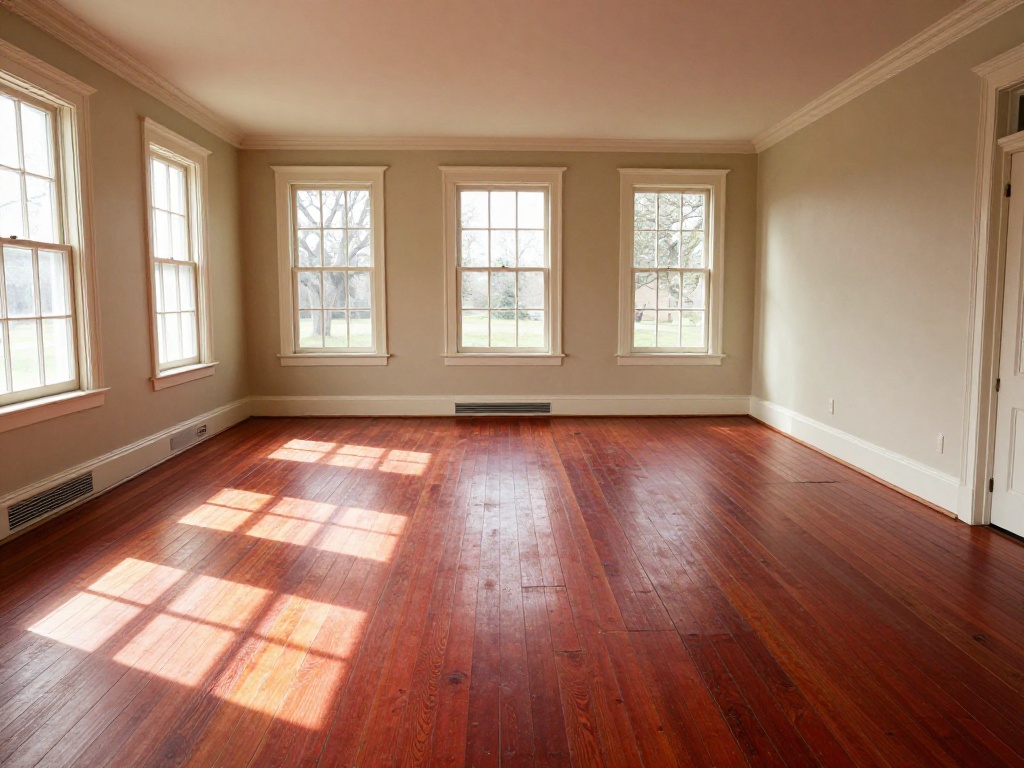
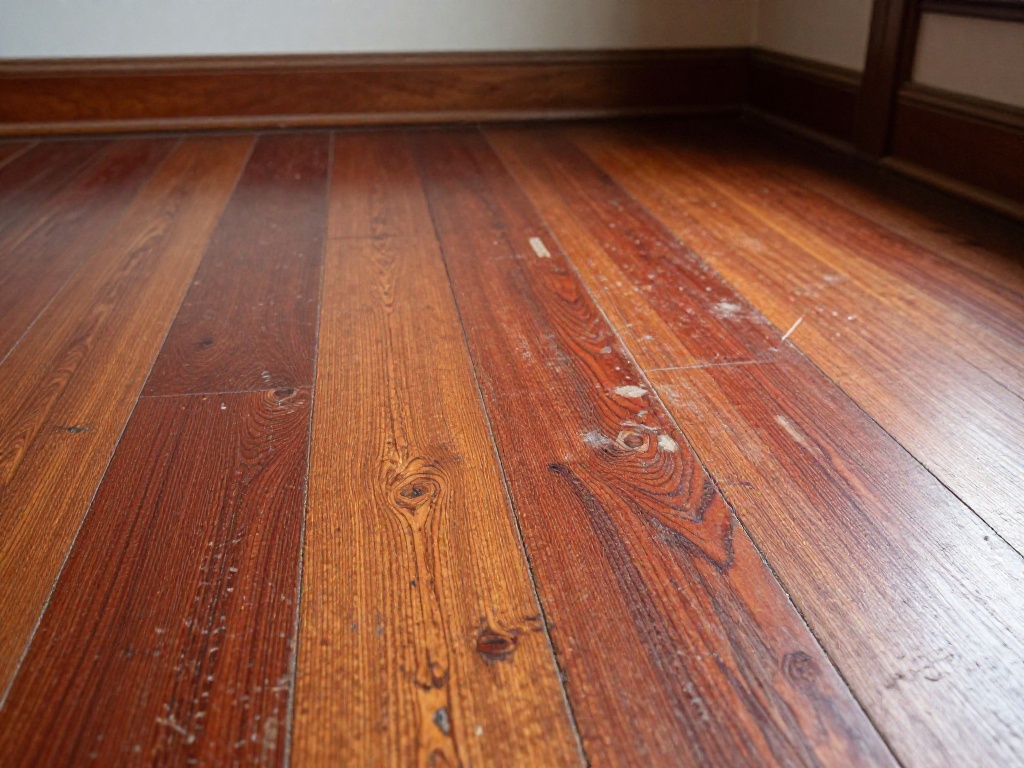
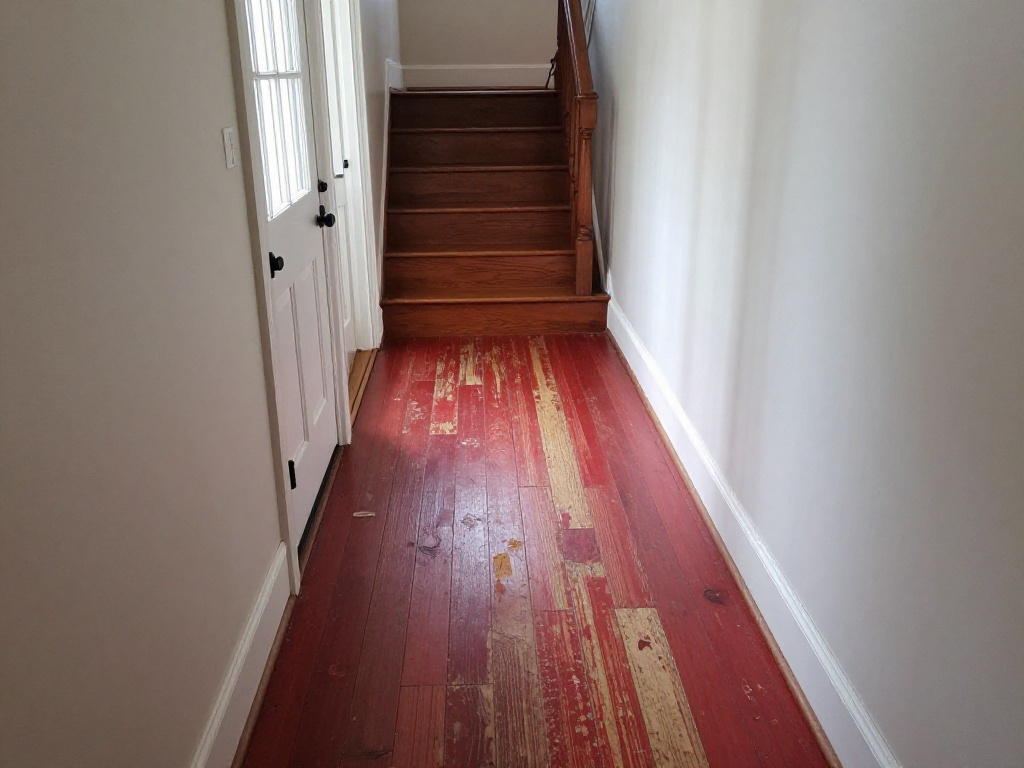
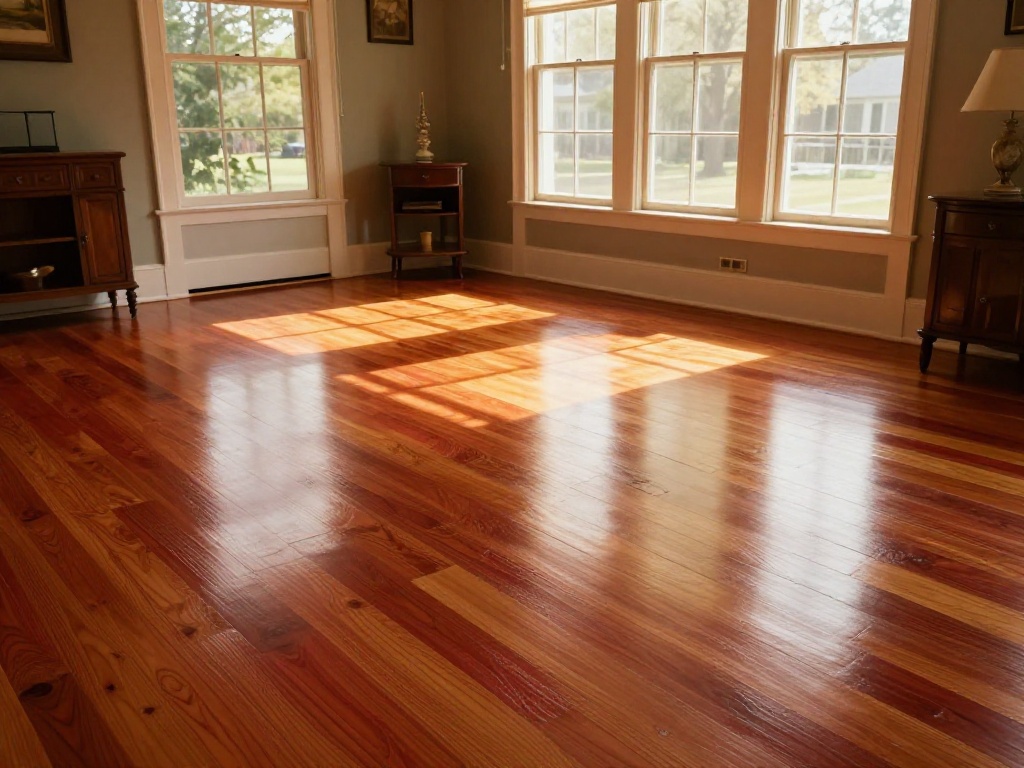
These are photos from a recent Floors and Beyond project in McLean — a 1980s colonial with original narrow-strip red oak that the homeowner was convinced needed full replacement. After our assessment, we recommended refinishing.
Before — The Condition We Found
After — The Finished Result
From the Field · McLean
"One of the most common things we hear from McLean homeowners is 'I think the floors are too far gone.' They almost never are. The 1980s red oak under the grime and depleted finish of a well-used family home is usually in genuinely excellent structural condition. What looks hopeless at a glance typically refinishes beautifully."
Not sure what you're looking at? Floors and Beyond offers free floor assessments across McLean, Fairfax, Loudoun, Prince William, and Arlington Counties.
Book a Free AssessmentFrequently Asked Questions
How do I know if my McLean colonial floors have been refinished before?
The most reliable indicator is remaining thickness — check at a floor register. Original 1980s oil-based poly has a distinctive amber tone that lightens significantly after a refinish with water-based poly. Floors and Beyond can measure remaining thickness and give you a definitive answer during a free assessment.
Can I change the stain color when refinishing 1980s McLean oak?
Yes — a full sand-and-refinish is your opportunity to change the color completely. Red oak accepts stain very well. The most popular direction in McLean right now is moving away from the original honey-amber toward warmer natural tones, light grays, or contemporary browns. Floors and Beyond brings stain samples to every assessment.
My floors look orange and dated. Is refinishing worth it or should I just replace them?
Refinishing is almost certainly worth it. The orange/amber tone is entirely a function of the original oil-based polyurethane, which ambers significantly over decades. The wood beneath it is not orange. Sand it back to bare wood, apply a contemporary stain, and finish with water-based poly, and the result looks nothing like what you're looking at now.
How long does a refinish take for a typical McLean colonial?
A single room is typically five business days from start to finish. A full main level takes seven to ten business days. Floors and Beyond works efficiently and limits disruption to occupied areas throughout the process.
// Free Floor Assessment · McLean
Let Floors and Beyond Tell You
Exactly What Your Floor Needs.
Free in-home assessment across McLean, Fairfax, Loudoun, Prince William, and Arlington. We'll measure remaining thickness, assess condition, and give you an honest recommendation. Since 1987.
Book a Free Assessment



