
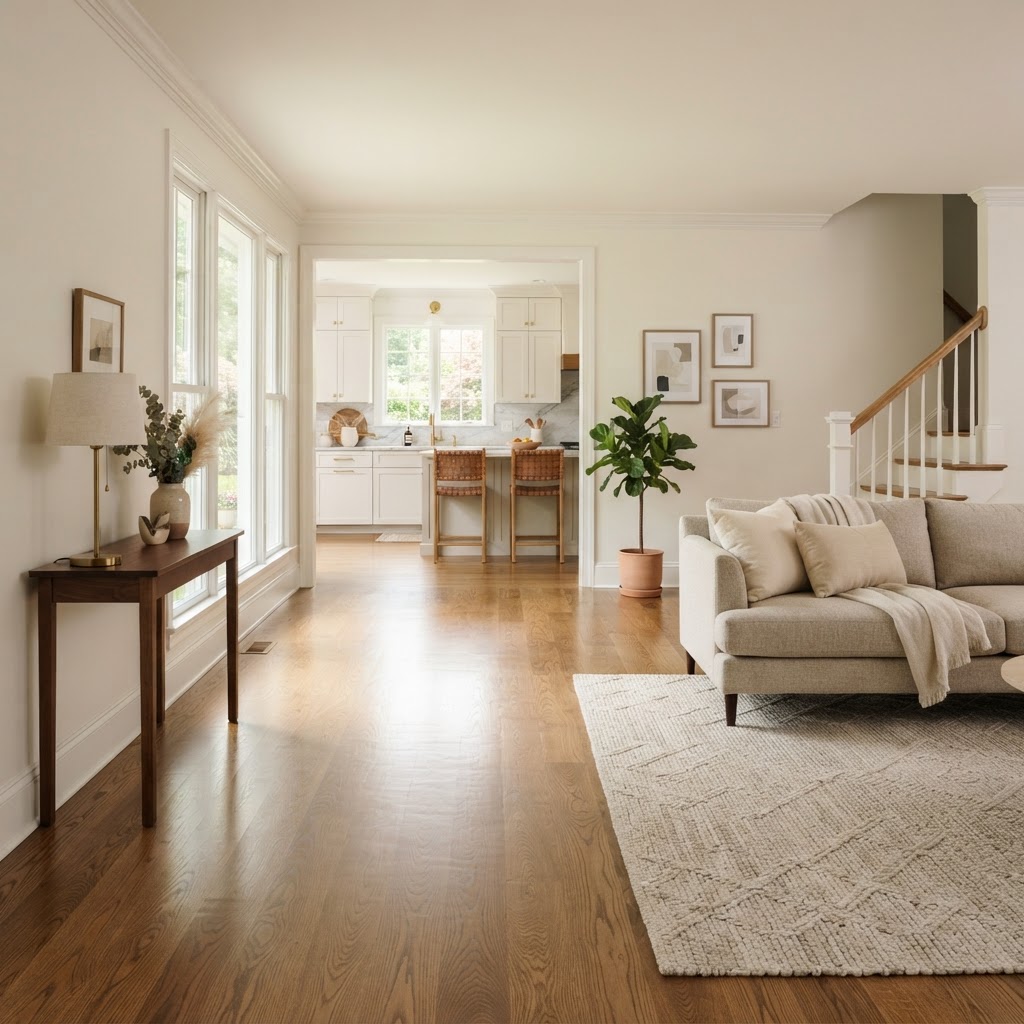
Every homeowner has a list of upgrades. New floors, a refreshed kitchen, a bathroom that no longer looks like the 1990s, a finished basement, stairs that stop creaking. The list is long, the money and time are limited, and the order matters more than most people expect. Do things in the wrong order and new paint gets scuffed, new cabinets get scratched and new floors get cut apart by the next trade. Do them in the right order and each upgrade makes the next one easier. This guide explains how to think about home upgrades in Northern Virginia, why floors so often come first or sit at the center of the plan, which upgrades change daily life the most, and how floor and decor choices tie the whole house together. Floors and Beyond VA is a family-owned flooring and remodeling company that has served Northern Virginia since 1987, and our own crews see the results of good and poor sequencing every week.
What Counts as a Home Upgrade
An upgrade is a change that makes a home work better, look better or last longer. Some are cosmetic, such as paint and fixtures. Some are functional, such as better lighting, new flooring that is easier to clean or a more comfortable basement. Some are protective, such as repairing water-damaged boards or replacing a failing subfloor before it spreads. The best upgrades often do all three at once. A refinished hardwood flooring surface, for example, looks better, feels better and extends the life of the wood.
Why the Floor Is the Right Starting Point
The floor is the largest surface in most rooms, and it affects everything built on or beside it. Cabinets sit on it. Walls meet it. Furniture and rugs rest on it. Because it is also one of the most worn surfaces in the house, it tends to look tired before anything else does. Starting with the floor, or at least deciding on it early, gives you a fixed point for every other decision. Paint colors, cabinet finishes and furniture are far easier to choose once you know the tone, width and finish of the floor.
There is a practical side too. Floors are often installed late in a project because they are easily damaged, but they are planned early because their height, material and transitions affect what comes before. A thick floor changes door clearances. A tile floor changes the height of a threshold. A change from carpet to hardwood changes the feel of the stairs. Deciding these early prevents surprises at the end.
Floor Upgrades That Change Daily Life
Refinishing hardwood is the upgrade with the best effect for the effort in many Northern Virginia homes. Oak and pine floors that have been dulled by decades of wear can look new after sanding and finishing, with the same boards, the same character and a fresh color. It is also among the least disruptive, since there is no demolition and the material stays in place. When the boards need more than a sanding, floor restoration covers repair as well as refinishing.
Replacing carpet with hardwood or luxury vinyl plank flooring improves cleanliness, appearance and often air quality. Hard floors do not trap dust and pet dander the way carpet does, and they last far longer. They also change the sound of a room, so rugs help, and the subfloor needs to be flat because carpet hides what hard floors reveal.
Installing luxury vinyl plank in kitchens, basements and busy areas gives you waterproof protection and a tough surface. Quality varies, so it is worth seeing samples and asking about the wear layer and the core.
Upgrading stairs completes the effect. New treads and risers or refinished existing ones remove the worn, carpeted look and make the whole house feel renewed.
Kitchen Upgrades
Kitchen upgrades range from refreshing the cabinets and counters to a full gut remodel. Whatever the scope, the floor is a major part of the result. A kitchen with a floor in poor condition makes new cabinets look out of place. A continuous floor that runs from the kitchen into the dining and living area makes an open layout feel larger and more deliberate. Even a modest kitchen upgrade, with new floor, paint and hardware, can change how the room feels.
The sequence matters. Demolition, plumbing and electrical come first, followed by drywall, cabinets, counters and then floors in most cases, with fixtures and appliances last. Floors are laid late to avoid damage and protected after installation. In some designs, the floor goes in first and the cabinets sit on top. A planning conversation with your contractor before work begins settles which approach fits your project.
Bathroom Upgrades
Bathrooms are small, and every surface counts. Upgrades range from new fixtures and paint to full renovations. Floors in bathrooms need to be waterproof and safe underfoot, so tile and waterproof vinyl are common choices. A heated floor is a popular upgrade that makes tile comfortable in winter. Pay attention to waterproofing behind tile and around showers, which is invisible once finished and essential to avoid later damage.
Basement Upgrades
A finished basement adds living space without adding a footprint. It can become a family room, a guest suite, a home office or a gym. The key is moisture control and floor choice; our guide to the best flooring options for basement moisture issues walks through that decision in detail. Test the slab, address any leaks and choose a floor that suits below-grade conditions. Luxury vinyl plank is the common choice, with engineered hardwood as an option in certain cases. Insulation, lighting and ceiling height matter just as much as the floor in making the space comfortable.
Other Upgrades That Pay Off in Everyday Use
Lighting is one of the simplest upgrades with the biggest effect. Layered lighting with warm bulbs, dimmers and well-placed fixtures changes a room more than paint does. Fresh paint in a cohesive palette brightens the house and ties rooms together. New hardware, such as door handles and cabinet pulls, upgrades the feel of every surface you touch. Improved storage, such as built-in closets and mudroom benches, reduces clutter. Better windows and doors improve comfort and sound.
How Floor and Decor Fit Into Upgrade Planning
Floor and decor choices are the thread that links all of these upgrades. If you plan the floor first, every other choice has something to match. The color of your cabinets, the paint on your walls, the tone of your furniture and the pattern of your rugs all respond to the floor. A mid-tone floor with a neutral undertone accepts almost any palette. A strongly warm or strongly cool floor asks the rest of the room to agree with it. Looking at floor samples next to cabinets, paint chips and fabrics before committing prevents mismatches.
Deciding Where to Start
If your list is long, start with the upgrade that affects the most daily life or prevents further damage. A leaking roof or damaged subfloor comes before decor. Water-damaged boards come before refinishing. After repairs, work on the spaces you use most, which are usually the kitchen, the main living area and the primary bedroom. Then move to secondary spaces, the basement and finishing touches.
If you are not sure where to start, a professional visit helps. A flooring company can tell you what condition your floors are in, which can be saved and which need replacement, and how the floor decisions will affect other work. At Floors and Beyond VA, we start with an in-home estimate and a written plan, so you know what to expect. Schedule an in-home estimate and we will look at your floors and talk through the order that makes sense.
Upgrades for Households With Pets and Children
Households with dogs, cats and young children ask more of their floors, and upgrades can make life noticeably easier. Scratch-resistant luxury vinyl plank and hardwood with a durable low-sheen finish hide wear well. Waterproof construction handles accidents. Rugs in play areas protect the floor and soften falls. Stair treads with grip are safer for small feet and paws. Rounded edges, felt pads and quick-clean surfaces reduce daily work. If you are planning upgrades around a young family or a new puppy, tell your contractor how the space is used, and let that guide materials more than showroom looks.
Upgrades for Comfort and Sound
Comfort upgrades are easy to overlook until you live with the result. Floors affect sound, temperature and how a room feels underfoot. Acoustic underlayment under a floating floor reduces footstep noise in two-story homes and condos. Radiant heat under tile or suitable flooring makes winter mornings pleasant. Area rugs warm cold slabs and absorb echo in open rooms. Better insulation in a basement ceiling reduces noise carried between levels. These changes are quiet, and you notice them every day.
Upgrading in Seasons
Northern Virginia seasons shape upgrade timing. Spring and summer are popular for exterior projects, and contractors book early. Fall and winter can be good for interior work, when schedules open up, though cold, dry winters mean checking humidity for wood floors. Hardwood needs time to acclimate before installation, and finishes dry more slowly in damp weather, so a careful company plans around the conditions. If you want a project finished before a holiday or a family event, start planning at least a month or two before.
A Floor-First Plan You Can Follow
Here is a simple way to turn a long list into a plan. First, walk through the house and write down what bothers you in each room, from worn floors to dark corners. Second, sort the list into repairs, comfort and appearance. Third, start with repairs and anything affecting floors, since floors affect other choices. Fourth, choose the floor, and then pick paint, cabinets and furniture to match. Fifth, set the order of work with your contractor, from the heaviest work to the finishing touches. Sixth, schedule it in a realistic time frame with a little extra room for surprises. A plan like this turns a pile of ideas into steps that make sense.
How to Plan a Multi-Stage Upgrade
Many homeowners phase upgrades over two or three years. The risk of phasing is mismatch, where each stage looks fine alone but does not agree with the others. Prevent it by planning the whole house first. Choose the main floor tone and finish, a palette for walls and a direction for fixtures, even if you will not do everything at once. Then carry out the work in stages, using the same plan. Keep notes on product names, colors and finishes so you can match them later.
Common Upgrade Mistakes
Some mistakes show up often. Painting before floors are refinished can mean repainting. Installing floors before heavy trades finish can mean damage. Choosing finishes in isolation leads to mismatches. Skipping subfloor repairs hides problems that return later. Ignoring association rules can lead to rejected products. Choosing for trends alone can date a house quickly. A written plan and a company that asks the right questions avoid most of these.
Upgrades for Different Northern Virginia Homes
Older homes in Alexandria, Arlington and parts of Fairfax often benefit most from restoration, such as refinishing original floors, repairing plaster and updating kitchens in ways that respect the architecture. Homes from the 1970s and 1980s in Fairfax, Burke and Springfield benefit from replacing worn carpet, updating kitchens and finishing basements. Newer townhomes and single-family homes in Loudoun and Prince William benefit from replacing builder-grade materials, upgrading flooring on main levels and finishing basements. Condominiums in Arlington, Tysons and Reston benefit from floors that meet sound rules and from kitchen and bath refreshes within association guidelines.
For a closer look at the work we do locally, see our flooring company in Fairfax, VA page.
Protecting Your Upgrades
New work stays new when you take care of it. Use felt pads and mats. Keep humidity steady. Clean with recommended products. Address leaks quickly. Re-coat refinished floors when they begin to dull. Touch up paint and caulk. Small maintenance steps extend the life of every upgrade and prevent small issues from turning into large ones.
How Long Upgrades Take and What to Expect
Planning a realistic timeline prevents most frustration. A refinish of a main level typically takes about a week once sanding, staining and drying time are counted. New flooring in a few rooms takes days. A bathroom takes weeks, and a kitchen can take a month or more, partly because cabinets and counters have lead times. Basements vary with permits and inspections. During the work, expect dust, noise and changes to your routine. Professional crews protect the home, contain dust where possible and clean daily, and a good company tells you in advance which rooms will be unavailable and when. Ask for the schedule in writing, and expect small adjustments along the way.
When to Call a Professional
Some upgrades are well suited to do-it-yourself work, such as painting a bedroom or changing hardware. Others are better left to professionals because mistakes are hard to undo. Sanding and finishing hardwood, preparing slabs, installing flooring over uneven subfloors, working with water and electricity and anything that needs a permit belong in that group. A professional brings tools, experience and accountability. If you are not sure whether a project is within your comfort zone, ask for a visit and an honest opinion.
What to Ask Before You Start
Ask the company who will do the work and who supervises it. Ask for the written scope and the schedule. Ask how they protect your home and clean up. Ask about licensing and insurance. Ask how they handle surprises. Ask for references from projects like yours. These questions apply to any upgrade, large or small, and the answers tell you how the project will go.
Frequently Asked Questions
What home upgrades should I do first?
Start with repairs and anything that prevents damage, then upgrade the spaces you use most. Floors are often a good anchor because other choices depend on them.
Should I replace floors before painting?
Often the first coat of paint comes first and final coats after, with refinishing done before final paint to avoid dust on fresh walls.
Is refinishing better than replacing?
When the wood is sound and thick enough, refinishing preserves the original floor and is less disruptive.
Can I upgrade my home in stages?
Yes. Plan the whole house first and carry out the work in stages so the results match.
How do floor and decor work together?
The floor sets the tone, so choose it first and match cabinets, paint and furniture to it.
Does Floors and Beyond VA handle more than floors?
Yes. We also offer remodeling, so floors, kitchens, bathrooms and basements can be planned together.
Ready to Start Your Home Upgrades?
If you are planning upgrades in a Northern Virginia home, the best first step is a visit from someone who will look at your floors and explain how the rest of the work fits around them. Floors and Beyond VA is a family-owned flooring and remodeling company serving Fairfax, Loudoun, Prince William and Arlington counties, Alexandria and the Washington, DC area since 1987. Schedule an in-home estimate at floorsandbeyondva.com/Contact or call (703) 906-5698.




