Carpet installation quotes differ because they often describe different jobs. One estimate may include a premium carpet grade, quality padding, removal and disposal of the old carpet, furniture moving, stair installation, subfloor preparation and transitions, while another includes only a basic carpet, thin padding and installation, with extras added later. A low headline number often reflects what is left out, not a better deal. To compare quotes fairly, line them up item by item: carpet grade and construction, padding type, old-floor removal, disposal, furniture moving, stairs, subfloor preparation, transitions and molding, measurements and waste, and warranty. Floors and Beyond VA, a family-owned Northern Virginia flooring contractor serving Fairfax, Loudoun, Prince William and Arlington counties since 1987, provides an honest, all-inclusive estimate, and what we quote is what you pay, so you can compare complete proposals instead of choosing on a headline price.
Homeowners who collect several carpet estimates in Northern Virginia are often surprised by how far apart they are. It's natural to assume the lowest number is the best value, or that the highest signals a rip-off. In reality, the differences usually come from scope, materials and how thoroughly each contractor has planned the job. This guide breaks down what an estimate may include, explains where the variations come from, and gives you a framework for comparing proposals on equal terms. We do not publish prices in articles, and nothing here gives numbers. Instead, we focus on what to look for. For related reading, see our guides on professional carpet installation cost, flooring cost factors and the complete carpet installation process, and visit our carpet page.
The carpet itself: grade, fiber and construction
The carpet is the most visible part of the estimate, and it is also where quotes can diverge widely. Two estimates may both say "carpet" but refer to very different products.
Fiber. Wool, nylon, triexta and polyester each have different price positioning (wool generally sits at the premium end, nylon in the middle to upper range, and triexta often at a more moderate level). A quote based on a lower-priced fiber will naturally be lower than one based on premium nylon or wool.
Weight and density. Two carpets in the same fiber can differ greatly in the amount of yarn per square yard and how tightly it is packed. A dense, heavy carpet costs more to manufacture and tends to perform better than a light, sparse one that looks similar in the showroom.
Construction. Cut pile, loop pile and patterned styles vary in cost to produce, since patterned and specialty constructions can require more material and labor.
Brand, line and warranty. Different manufacturers and product lines carry different price points and warranty terms.
Color and pattern. Some colors and patterns require more material for matching, which increases quantity.
When comparing quotes, ask for the specific product name, line and color on each estimate, not just a general description. If the carpets are not the same, the quotes are not comparable until you adjust for that. A contractor who quotes a "builder grade" carpet and another who quotes a "premium" carpet are quoting different products, even when the labor is identical.
Padding: the hidden variable
Padding is one of the biggest sources of difference between quotes, and one of the most overlooked. The pad sits beneath the carpet, supports the fibers, adds comfort, absorbs impact and affects how long the carpet looks good.
Pads vary in material, thickness, density and quality. Common types include foam, rebond (made from recycled foam), fiber and rubber-based pads. Rebond is widely used and offers good support at a moderate price, while higher-end options provide additional comfort or moisture resistance. Thickness and density should match the carpet type and the manufacturer's requirements. A pad that is too thick or too soft can cause carpet to wear prematurely or void warranties, while one that is too thin may feel hard and fail to protect the carpet.
A low quote may use thin, low-density padding to reduce cost. That choice can be invisible at the time of purchase but will show up later in comfort and longevity. Ask each contractor what padding they are quoting, including type, thickness and density, and why they recommend it. In rooms such as stairs, condos and basements, padding choice carries extra importance.
Old carpet and pad removal, and disposal
Removing the old carpet and pad is a real task with real labor, and not every estimate includes it. Some contractors list removal and disposal as separate line items. Others include them in a lump sum. Some exclude them entirely, leaving you to handle the old materials.
Removal involves cutting and rolling the old carpet, pulling up the pad, removing tack strips and staples, and checking the subfloor. Disposal means hauling the materials away, which may incur dump fees. In condominiums, disposal may be restricted, and the contractor may need to take materials off-site.
When comparing quotes, check whether removal and disposal are included, and for how many rooms. At Floors and Beyond VA, old flooring removal is part of our all-inclusive estimate.
Furniture moving
Furniture moving is another item that may or may not be included. Moving beds, dressers, bookcases and entertainment centers takes time and labor. Some contractors charge a per-room or per-item fee, some limit what they will move, and some require the homeowner to clear the rooms.
If a quote does not include furniture moving, you may need to do it yourself or pay extra. Make sure you know what is included, and ask about exceptions such as pianos, safes, aquariums and electronics. At Floors and Beyond VA, furniture moving is included in our all-inclusive estimate. Our guide to preparing your home for new floors explains the preparation process.
Stairs
Stairs are frequently handled differently in estimates. Some contractors include stairs in the overall price, some quote them separately per step, and some quote them as an add-on after the initial estimate. Stairs take significantly more labor than flat rooms, because each step must be measured, cut, fitted and fastened, and waste is higher. Winders, landings, open sides and curves add complexity.
If your project includes stairs, confirm that they are included in the quote and how they are priced. A quote that appears lower may exclude stairs, while a higher quote may include them. Ask each contractor to show stairs as their own line.
Subfloor preparation and repairs
What lies beneath the carpet matters. When old carpet is removed, the subfloor is exposed, and it may need attention. Common issues include squeaks, loose boards, staples and adhesive residue, uneven areas, stains and moisture. Concrete slabs, such as those in basements, may need moisture testing, patching or leveling.
Some estimates include basic subfloor preparation, while others exclude it and treat any needed repairs as extra work. A low quote that excludes preparation can become expensive once problems are discovered. Ask what level of subfloor preparation is included, how repairs will be handled and priced if needed, and how the contractor will tell you about any surprises.
Transitions, molding and finishing details
The places where carpet meets other floors or finishes affect both appearance and function. Transitions between carpet and hardwood, tile or vinyl require threshold strips or reducers. Doorways, closets and stair edges need proper finishing. Baseboards or shoe molding may need to be removed and replaced, or touched up.
These details may be included in some estimates and omitted from others. At Floors and Beyond VA, transitions and molding are part of our all-inclusive estimate. When comparing quotes, check whether transitions and molding are included, what materials are used, and whether any painting or touch-ups are the homeowner's responsibility.
Measurements, waste and seams
Quotes can differ because contractors measure differently and assume different amounts of waste. One estimate may be based on a rough square footage, while another is based on a careful layout that accounts for roll width, seam placement, pattern matching and closets. If the measurement is inaccurate, the quantity ordered may be too small, leading to extra charges, or too large, leading to waste you pay for.
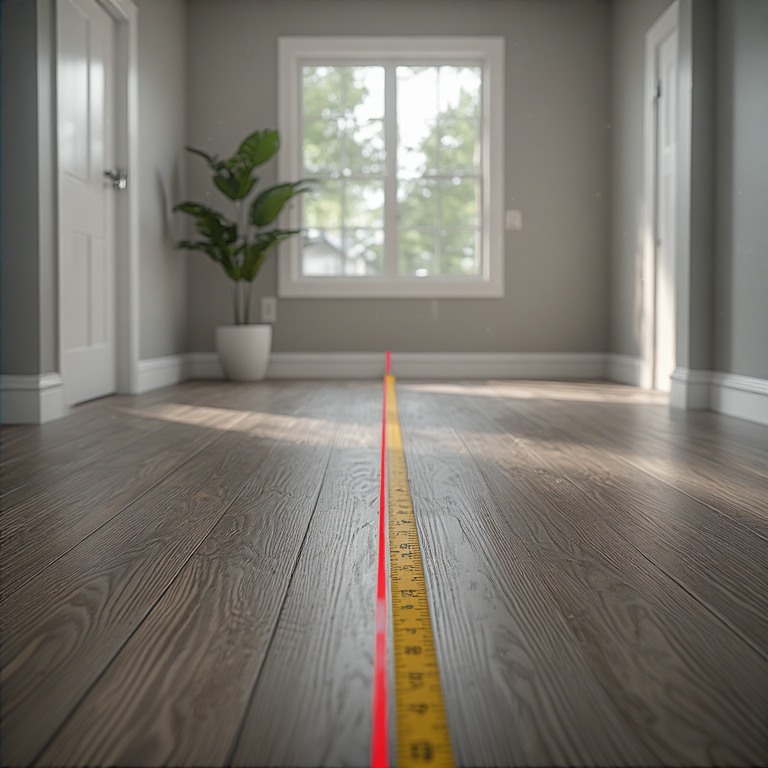
Our professionals use precise laser measurements on every room at no charge. Our guide on how much flooring you need explains why quantities differ from square footage. When comparing quotes, ask each contractor how they measured and how many square yards of carpet are included. If the numbers differ significantly, the layout assumptions probably differ.
Labor and installation quality
Labor is more than hours worked. It includes the skill of the installers, their training, their insurance and the method they use. Proper installation involves stretching the carpet with a power stretcher, securing it to tack strips, seaming carefully with hot-melt tape, and trimming and tucking edges. Poor installation leads to ripples, visible seams, loose edges and premature wear, even with excellent carpet.
Quotes may differ because of who does the work. Some companies use their own employees, while others hire independent subcontractors who may have different standards and accountability. Floors and Beyond VA uses in-house crews and no subcontractors, which keeps responsibility in one place. Ask each contractor who will install your carpet, whether they are employees or subcontractors, how long they have been installing, and whether the contractor is licensed, bonded and insured. We are fully licensed, bonded and insured for every project.
Also ask about workmanship warranties, and what happens if there is a problem after installation. A contractor who stands behind their work is worth more than one who disappears.
Fees, taxes and unspoken extras
Some estimates leave out items that appear later as add-ons. Common examples include fees for delivery, fuel or disposal, charges for moving furniture, extra costs for stairs, fees for subfloor repair, charges for transitions, and costs for trips if the first visit is incomplete. Sales tax may also be treated differently.
A truly all-inclusive estimate lists everything in one place and states that the price will not change unless the scope changes. At Floors and Beyond VA, what we quote is what you pay. When comparing, ask each contractor whether there are any additional charges not shown on the quote, and get the answer in writing.
How to compare quotes side by side
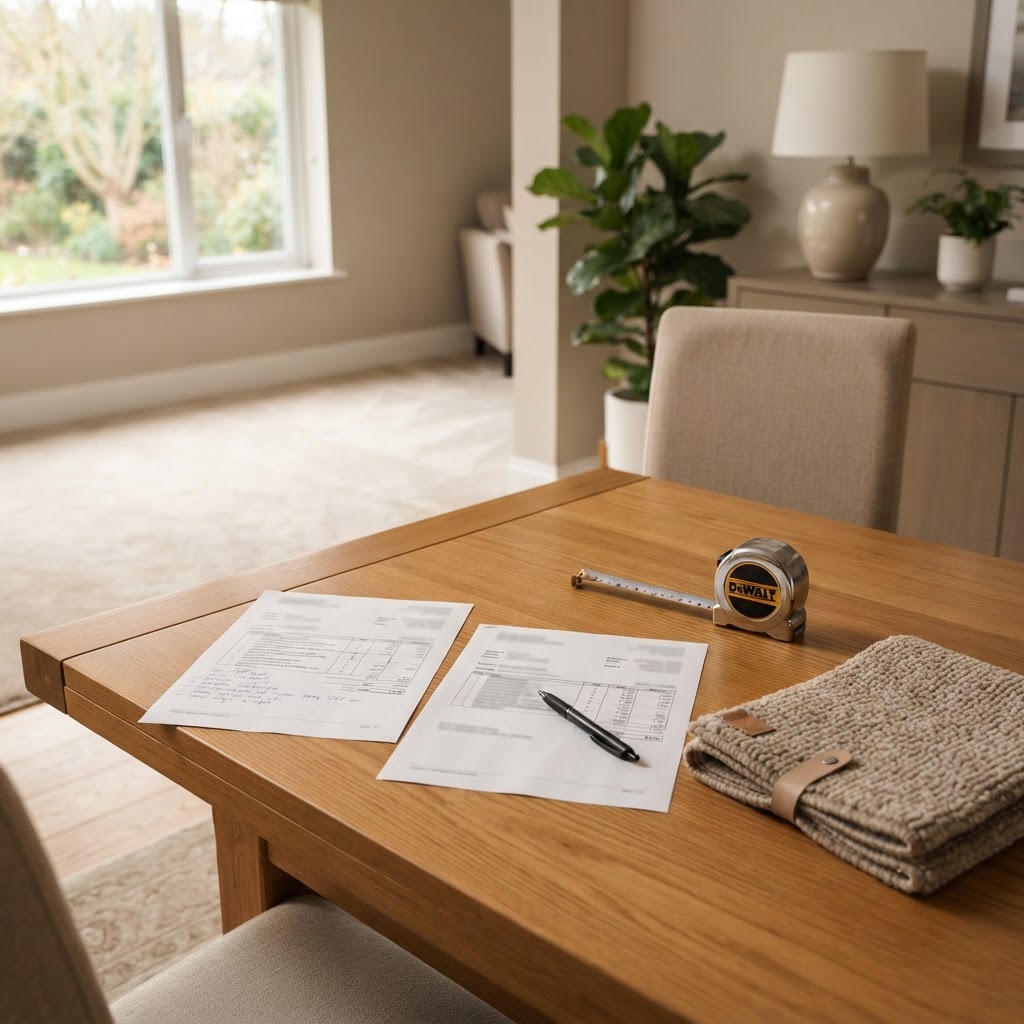
A simple method helps you make fair comparisons. Create a table with each contractor as a column and each item as a row. Use the following rows: carpet brand, line, color, fiber and construction; square yards of carpet; padding type, thickness and density; old carpet and pad removal; disposal; furniture moving; stairs; subfloor preparation; transitions and molding; measurement method; installer employment status; licensing, bonding and insurance; workmanship warranty; timeline; and any additional fees.
Fill in each cell based on the written quote, and mark any item that is not specified. Gaps matter. If a contractor has not stated whether furniture moving is included, ask. When the quotes are normalized, you can see what each includes and judge value.
Be cautious of quotes that are vague. A one-line quote with only a total price gives you little information. A detailed, itemized proposal shows the contractor has done their homework.
Also consider the contractor's responsiveness and professionalism. Did they visit your home? Did they measure carefully? Did they explain options? Did they answer your questions clearly? These qualities often correlate with the quality of the work.
What drives the overall scope of a carpet quote
Several factors drive the scope of any carpet installation, and they explain why quotes differ even when contractors are honest. We do not publish prices in articles, but we can describe the drivers. The carpet grade, fiber and construction shape the material scope. The padding affects both comfort and cost. The size and layout of the rooms, including closets and hallways, determine quantity. Stairs require additional labor. Removal and disposal add steps. Furniture moving adds time. Subfloor preparation depends on conditions. Transitions and molding vary by home. Access conditions, such as condos, upper floors and long carries, affect logistics. And the installer's structure and warranty influence the overall value.
Floors and Beyond VA provides an honest, all-inclusive estimate, and what we quote is what you pay. It includes old flooring removal, new materials, professional installation, furniture moving, transitions, molding and full cleanup.
Common mistakes to avoid
The most common mistake is choosing the lowest number without checking what's included. A low price may exclude items you will need to pay for later.
Another is comparing quotes for different products. Different carpets and pads are not comparable.
A third is ignoring padding. It is one of the biggest hidden differences.
A fourth is overlooking stairs, closets and hallways. Make sure all areas are included.
A fifth is accepting a verbal quote. Get written, itemized estimates.
A sixth is not asking who installs the carpet. Installation quality varies.
A seventh is forgetting to check licensing, bonding and insurance. These protect you if something goes wrong.
Finally, many homeowners rely on a phone quote without a measurement. Accurate quotes require accurate measurements.
How Floors and Beyond VA prepares an estimate
We begin with a free in-home consultation. We bring samples, take precise laser measurements on every room at no charge, look at your stairs, closets and subfloor conditions, and talk through your goals. We then provide an honest, all-inclusive estimate that lists what is included: old flooring removal, new materials, professional installation, furniture moving, transitions, molding and full cleanup. What we quote is what you pay. Our in-house crews, with no subcontractors, carry out the work, and we are fully licensed, bonded and insured.
We serve Fairfax, Loudoun, Prince William and Arlington counties, including Alexandria, Reston, Vienna, McLean, Springfield, Burke, Centreville, Ashburn, Leesburg, Manassas and Woodbridge.
Frequently asked questions
Why is one carpet quote so much lower than another?
It may exclude items such as padding quality, removal, furniture moving, stairs or subfloor preparation, or it may quote a lower-grade carpet.
What should be included in a carpet installation quote?
Carpet, padding, old flooring removal, disposal, furniture moving, stairs, subfloor preparation, transitions, molding and cleanup.
Is padding included?
It should be. Ask for the type, thickness and density.
Are stairs priced separately?
Sometimes. Confirm whether they are included.
Should I get multiple quotes?
Yes, and compare them item by item.
Why does measurement matter?
Accurate measurement determines quantity and prevents surprises.
What does all-inclusive mean?
It means the estimate lists everything needed so the price does not change unless the scope does.
Who installs the carpet?
At Floors and Beyond VA, our in-house crews do, with no subcontractors.
Is Floors and Beyond VA licensed and insured?
Yes. We are fully licensed, bonded and insured for every project.
Do you serve my area?
We serve Fairfax, Loudoun, Prince William and Arlington counties.
Ready to request a detailed carpet replacement estimate?
A good estimate tells you exactly what you are getting. Floors and Beyond VA offers nearly forty years of Northern Virginia experience, in-house crews with no subcontractors, free in-home consultations, and all-inclusive estimates you can compare with confidence.
Request a detailed carpet replacement estimate: https://floorsandbeyondva.com/Contact
You can also call (703) 906-5698, or send us a message through our contact page.