
How Much Does Professional Carpet Installation Typically Cost
No two carpet installation quotes match — and they should not. Total project cost stacks five components: carpet fiber and face weight, pad density and material, labor (tear-out, subfloor prep, install), extras (furniture, disposal), and room complexity (stairs, closets, transitions). Here is the framework Floors and Beyond uses to scope a project.
How much does professional carpet installation typically cost?
Professional carpet installation cost is a stack of five project-specific components: (1) carpet face weight and fiber type, (2) pad density and material, (3) labor including tear-out, subfloor prep, and install, (4) extras like furniture moving and disposal, and (5) room complexity — stairs, closets, and transition detailing. Floors and Beyond does not publish flat rates online because tear-out scope, subfloor condition, and stair count vary by home.
A flat-rate carpet price printed on a website is a price that hides something. The honest answer is that carpet installation cost is built from five components, and each one moves independently based on what is in the room, what is under the existing floor, and what the home's airflow and pollen load demand.
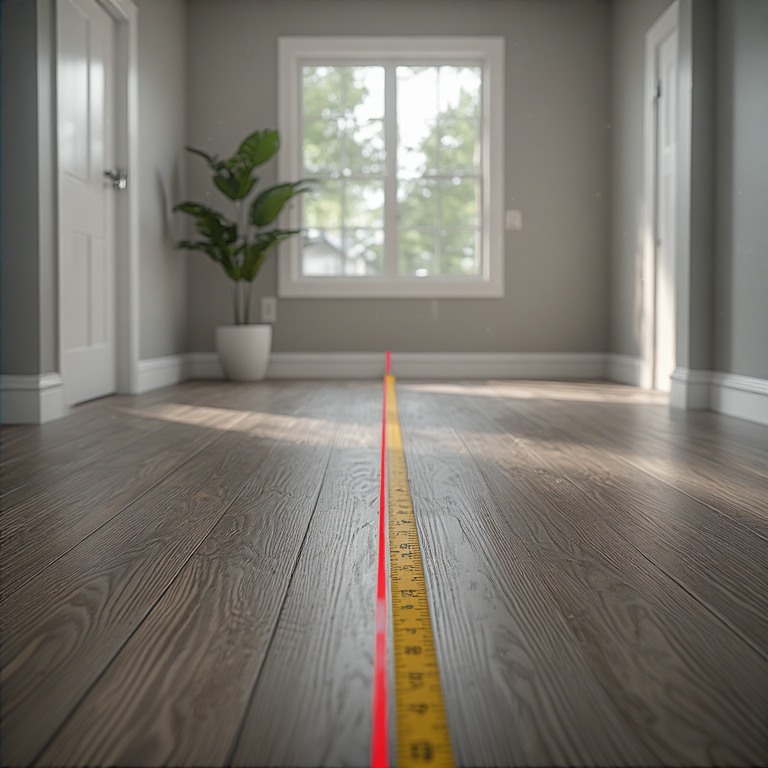
Floors and Beyond scopes every carpet project against an in-home measurement. That measurement captures tear-out scope (carpet on carpet, hardwood on carpet, tile on carpet), subfloor flatness, stair count, closet count, transition count against adjacent floor types, and the room's ventilation profile. From that scope, the five cost components fall out — and only then can a real number be quoted.
The reason Floors and Beyond refuses to publish carpet prices online is the same reason a surgeon does not publish surgery prices online: the scope changes everything. A bedroom with a flat plywood subfloor, no tear-out, and a single doorway transition is a fundamentally different project than a finished basement over a concrete slab with a stair run, two closets, and three transitions against existing LVP.
The five cost components, broken down
Carpet fiber and face weight
The carpet itself is the largest variable. Spec for primary living areas: nylon or triexta fiber at 40 oz/yd² face weight minimum. Polyester is off the table for primary areas — it mats down within 18 months under foot traffic. Lower face weight is acceptable in secondary bedrooms, but the fiber must still be nylon or triexta for stain resistance.
Pad density and material
An 8-lb density rebond pad is the floor minimum for primary living areas — anything lighter crushes inside two years and voids the carpet warranty. Rooms with heavy traffic or rolling chairs get a firmer spec. NoVA's high pollen counts (oak, grass, ragweed) make a vacuum-friendly density pad the correct call, because a denser pad does not absorb particulate the way a soft, open-cell pad does.
Labor: tear-out, subfloor prep, install
Labor is three discrete steps. Tear-out removes the existing floor and tack strip. Subfloor prep addresses squeaks, fastener pops, and leveling — critical over wood joist subfloors in Burke, Springfield, and Fairfax homes built post-war. Install stretches the new carpet over the new pad and tack strip. Each step is scoped separately because each one can grow when the room is opened up.
Extras: furniture moving, disposal
Furniture moving and haul-away of old carpet and pad are line items, not free add-ons. A furnished primary bedroom takes longer to clear than an empty one. Disposal fees vary by jurisdiction in Northern Virginia, and rooms with multiple layers (old carpet over older hardwood) cost more to clear.
Room complexity: stairs, closets, transitions
Stairs are a separate labor line — every tread and riser is hand-cut and hand-stretched. Closets add square footage and transition cuts. Transitions against existing hardwood, tile, or LVP require the correct reducer or Z-bar so the seam does not lift. A home with two stair runs and four transitions is a fundamentally different scope than a single open great room.
Indoor air quality and adhesive spec
Northern Virginia's oak, grass, and ragweed pollen is real. Floors and Beyond specifies low-VOC adhesive on glued installations and a density pad that does not trap particulate. The carpet fiber is selected for cleanability — nylon and triexta release soil in vacuuming; polyester holds it.
Why no two carpet quotes match — and why that is correct
Buyers often ask why a neighbor's carpet quote does not match their own. The answer is that the five components stack differently for every home. Two houses on the same street in Ashburn can have entirely different scopes: one has a flat, clean plywood subfloor and a single staircase; the other has an older subfloor that needs fastener reset, a different stair geometry, and a transition against existing LVP in the kitchen.
| Project variable | What it changes | Where it shows up |
|---|---|---|
| Tear-out scope | Labor hours, disposal volume | Carpet on carpet vs. carpet on hardwood vs. tile on carpet |
| Subfloor condition | Prep labor, fasteners, leveling compound | Squeaks, fastener pops, plywood patching |
| Stair count | Labor — every tread and riser is hand-worked | Straight run vs. winders vs. pie stairs |
| Closet count | Material square footage, transition cuts | Walk-in vs. reach-in vs. linen closet |
| Transitions against adjacent floors | Reducer or Z-bar detailing, seam work | Hardwood, tile, LVP, or transitioning to lower-pile carpet |
| Adhesive and pad spec | Low-VOC adhesive, density pad selection | NoVA pollen load, IAQ-sensitive households |
"A flat carpet price on a website is a price that hides tear-out, subfloor prep, or stair labor. Floors and Beyond scopes the room first — fiber, pad, labor, extras, and complexity — and then quotes against the actual project, not a guess." Floors and Beyond · Northern Virginia · Since 1987
Want a project-specific carpet quote? Floors and Beyond scopes the room, the subfloor, and the stair count before any number is committed.
Request an In-Home MeasurementFrequently asked questions
Why doesn't Floors and Beyond publish carpet installation prices online?
Every carpet quote is project-specific because tear-out scope, subfloor condition, stair count, closet work, and transition detailing vary by home. Floors and Beyond quotes against an in-home measurement rather than publishing flat rates that hide scope differences.
What carpet specifications should primary living areas meet in Northern Virginia?
Primary living areas should specify nylon or triexta fiber — never polyester — at 40 oz/yd² face weight minimum, over an 8-lb density pad minimum. Lower face weight is acceptable in secondary bedrooms, but bedrooms still need nylon for stain resistance.
Does NoVA pollen really affect carpet selection?
Yes. Oak, grass, and ragweed pollen tracked into carpet becomes an indoor air quality concern. Floors and Beyond specifies low-VOC adhesive and a vacuum-friendly density pad so the carpet does not trap allergens against the subfloor.
Why are stairs a separate labor line on a carpet quote?
Every tread and riser is hand-cut and hand-stretched, with the carpet seamed at the nose and wrapped to the riser below. A stair run is fundamentally different labor than flat floor installation, and a winder or pie stair takes longer than a straight run.
Get a quote built from the actual room
Floors and Beyond scopes fiber, pad, labor, extras, and room complexity against the real subfloor and the real stair count. The way a carpet quote should be built.
Schedule a Free In-Home Consultation