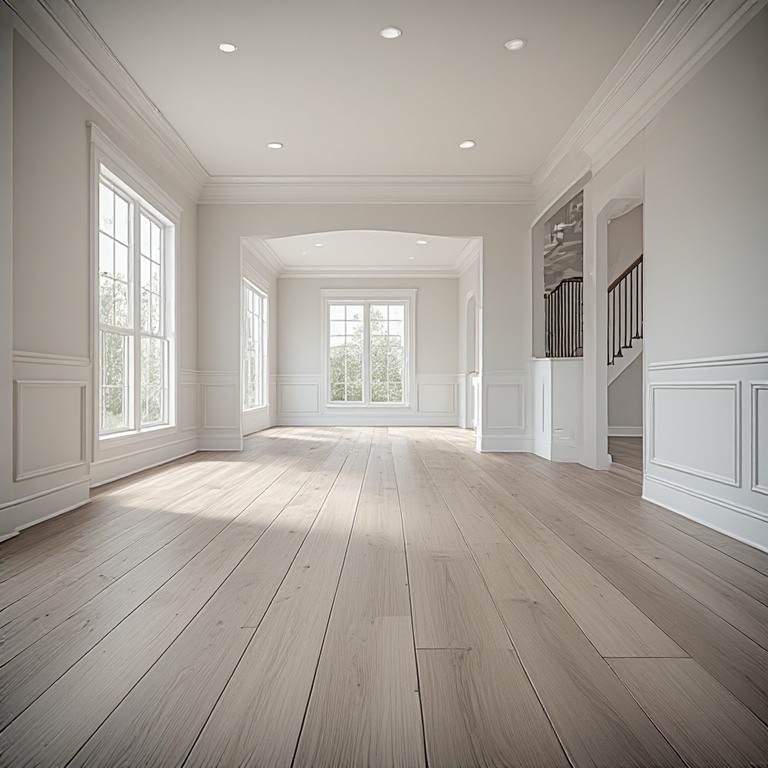
Kids Home All Summer:
How to Floor-Proof
Your High-Traffic Zones.
The pre-July reality check — entryways, kitchens, and family rooms take 3× their school-year wear. What protects. What doesn't. Zone by zone.
- Summer isn't just more traffic: Kids bring five specific damage vectors — moisture, grit, chemicals (sunscreen), impact, and 8–10 extra hours daily — that compress full-year wear into 11 weeks.
- Most damaging and least expected: Sunscreen. SPF products contain compounds that actively degrade polyurethane finish bonds on hardwood, creating dull milky patches that can't be buffed out.
- The grit problem: Sand and playground grit acts as an abrasive under foot traffic. Industry experts estimate grit abrasion causes ~60% of premature floor finish wear.
- Most summer-resilient floor: SPC LVP — waterproof core, scratch-resistant wear layer, no polyurethane finish to degrade from chemical exposure.
- Existing hardwood can survive summer: Entry mats, daily dry mopping, pH-neutral cleaner only, and a pre-summer screen-and-recoat protect finish through the full 11-week window.
- Single highest-impact action: Quality entry mat system at every exterior door. Grit stopped at the door cannot abrade the floor inside.
School ends in Northern Virginia in mid-to-late June — across Fairfax, Loudoun, Prince William, and Arlington Counties, that typically means 11 weeks before the fall semester. For most Northern Virginia homes, those 11 weeks deliver more concentrated floor wear than the other 41 weeks of the year combined. The floors don't know it's summer. But they feel it.
Floors and Beyond fields more floor concern calls in July and August than in any other two-month period. Not because summer creates new problems — because it accelerates existing vulnerabilities that were invisible when the house was empty from 8 AM to 3 PM. This guide names those vulnerabilities and gives you the zone-by-zone protection plan that actually addresses them.
What Are the Five Summer Damage Vectors Your Floors Actually Face?
Summer floor damage is not just more footsteps — it's five distinct mechanisms that don't occur at school-year intensity, each requiring a different protection strategy.
Wet swimsuits dragged through the house, damp feet from sprinklers, pool water tracked from the back door — summer introduces sustained moisture at entry points, kitchens, and family rooms. Repeated surface moisture depletes hardwood finish in high-traffic entry paths and creates the humidity conditions that accelerate finish separation at seams.
Sand and grit from Ashburn splash pads, Centreville playgrounds, and Prince William park fields are the most underestimated summer floor enemy. Fine silica particles tracked inside don't sit — they get ground into the finish by foot traffic, acting like fine-grit sandpaper with every step. Industry experts attribute grit abrasion to approximately 60% of premature floor finish wear.
The summer damage vector that surprises most Northern Virginia homeowners: SPF 30–50 sunscreen products contain oxybenzone and avobenzone compounds that actively degrade polyurethane finish bonds on hardwood when left to sit. DEET-based bug spray similarly attacks finish chemistry. Popsicle and juice sugar crystallizes into sticky residue that bonds with finish and attracts additional grit. None of these are correctable by cleaning alone once finish degradation has begun.
Summer play equipment brought inside creates point-impact events that don't occur September through May. Scooter wheels create concentrated pressure marks on hardwood finish. Metal and hard-plastic toys dropped from table height create dents that may not be fully remediated by refinishing depending on depth. Even SPC LVP wear layers can be compressed permanently by heavy point impact from large toys or equipment.
The most straightforward but most powerful vector: kids home from June through August means 8–10 additional hours of floor use per day. A family room floor experiencing two hours of evening activity during the school year faces twelve hours of continuous summer use. Over 77 days, the cumulative wear is equivalent to adding two to three additional years of normal use to a floor's age — in a single summer.
Which Floor Types Hold Up Best Under Summer Family Use?
SPC LVP is the most summer-resilient residential floor available — waterproof core, scratch-resistant wear layer, and no polyurethane finish to degrade from sunscreen or chemicals. Well-maintained hardwood with fresh finish is a strong second if the protection protocols below are followed.
How Do You Protect Each High-Traffic Zone Through the 11-Week Summer Window?
Each zone faces different primary damage vectors and needs a different protection strategy — the entryway needs grit interception, the kitchen needs chemical-safe cleaning protocols, the family room needs impact and sunscreen management, and the back door entry needs moisture control.
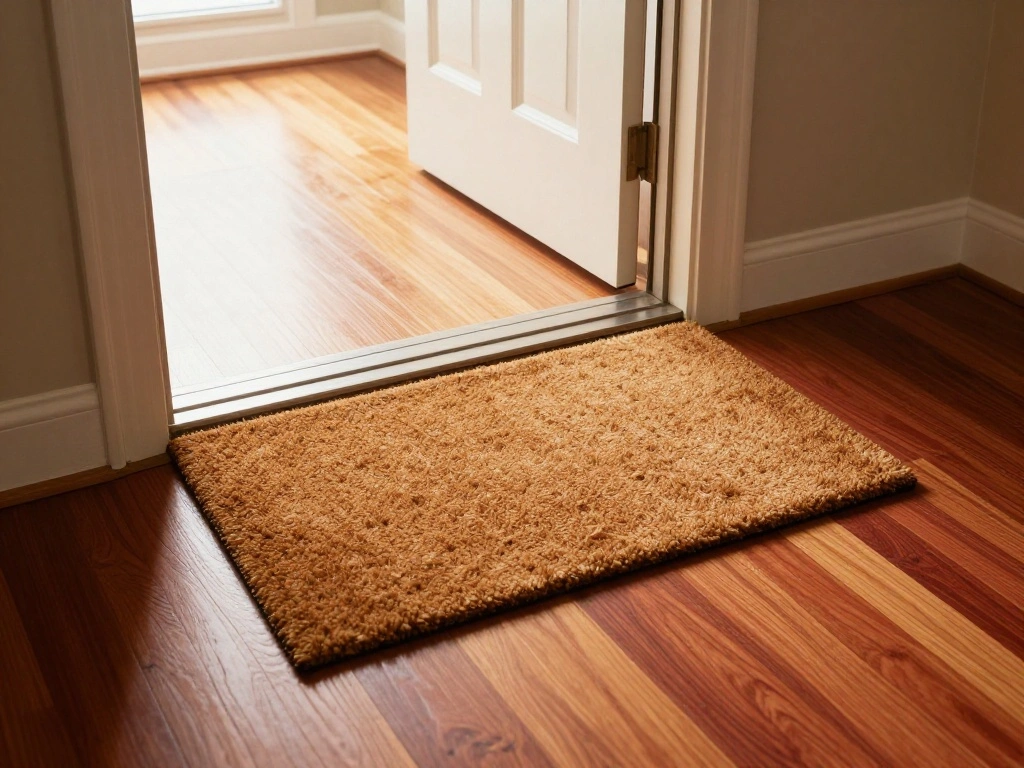
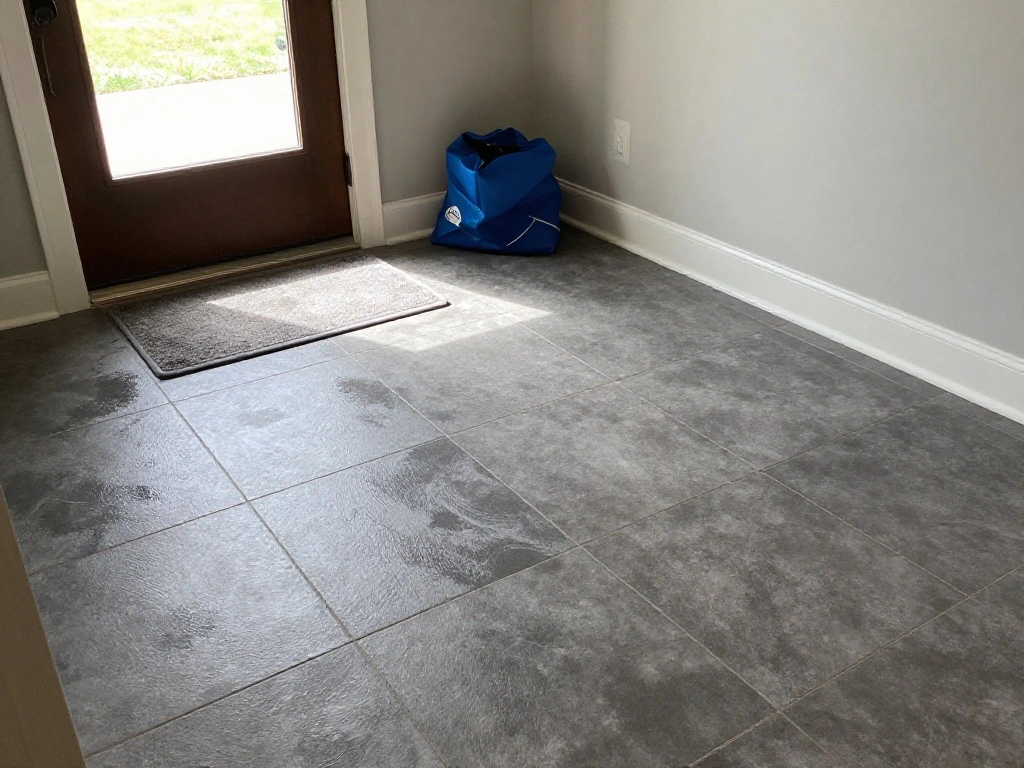
The front door entry is the most critical grit control point in the house. Every grain of sand and every piece of playground mulch that passes this threshold becomes an abrasive under foot traffic. A proper double-layer entry mat system — exterior coarse-bristle scraper plus interior absorbent mat — captures approximately 80% of tracked-in grit before it reaches the floor. Without it, that grit distributes throughout the home with every step, accelerating finish wear across the entire main level.
Summer-specific concern in Fairfax and Loudoun County homes near pools, splash pads, and parks: wet entry traffic creates a grit-plus-moisture combination that's significantly more damaging than dry grit alone. Wet particles are more mobile, penetrate finish gaps more readily, and spread further from the entry point.
- Place a coarse-bristle exterior scraper mat outside every entry door — minimum 18×30 inches
- Add an absorbent interior mat just inside every entry — captures what the scraper misses
- Sweep or dry mop entry floor every evening — grit migrates inward with foot traffic
- Establish a no-shoes rule at front and back doors for summer
- Shake and check exterior mats weekly — a saturated mat deposits rather than captures
The kitchen floor during summer faces a specific combination: sunscreen-covered kids eating lunch at the kitchen table, Popsicle and juice drips on hardwood, and increased cleaning frequency that introduces mop-related moisture. The chemical damage from sunscreen and the sugar crystallization from food drips both degrade polyurethane finish if not addressed with the right cleaning product and timing.
The biggest kitchen floor mistake Floors and Beyond encounters every summer: steam mopping hardwood. Steam penetrates finish and drives moisture directly into the wood fiber. In Northern Virginia's elevated summer ambient humidity, steam mopping reliably produces finish bubbling and early cupping. Never steam mop hardwood, any season.
- Clean sunscreen and bug spray spills immediately with a pH-neutral cleaner — do not let them sit
- Never use steam mop, wet mop, vinegar, or all-purpose cleaners on hardwood floors
- Place a washable runner under the kitchen table during summer — catches food and drink before the floor does
- Dry mop daily; damp microfiber weekly maximum, wrung nearly dry
- Use a dedicated hardwood-safe cleaner — Bona or equivalent pH-neutral formula only
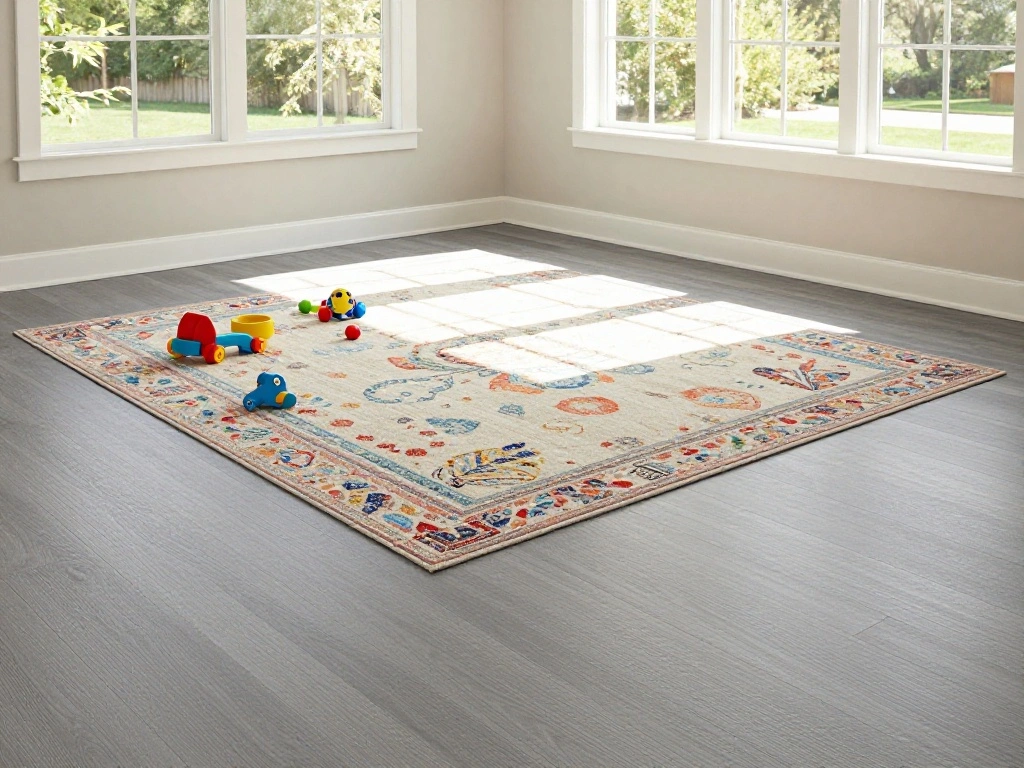
The family room becomes the default summer headquarters — the space where kids play, eat snacks, do art projects, and spend the majority of indoor hours. For a hardwood family room floor, this means all five summer damage vectors simultaneously: bare feet carrying sunscreen, tracked-in grit, food and drink spills, toy impact, and 12-hour daily occupation. The most cost-effective protection: area rugs over the primary play area, refreshed felt pads on all furniture legs, and a summer rule about food staying at the table.
- Layer a washable area rug over the primary play zone — protects the floor and defines the play area
- Check and refresh felt furniture pads — summer heat softens adhesive backing and they fall off; hard chair legs without pads scratch finish within days
- Ban scooters, bikes, and ride-on toys from hardwood and LVP zones
- Dry microfiber mop every evening to capture grit before it gets ground in overnight
- Keep pH-neutral cleaner and microfiber cloth accessible for immediate Popsicle and sunscreen spot-cleaning
In Loudoun County communities like Ashburn, Brambleton, and South Riding — where neighborhood pools and water features are standard — the back door entry takes the highest moisture load of any surface in the house during summer. Wet swimsuits, pool water running off towels, and damp bare feet create moisture concentration that hardwood flooring at the back entry cannot safely absorb over 77 days without finish degradation. Floors and Beyond most strongly recommends a hard, moisture-resistant surface at the back entry regardless of what the rest of the main floor is made of.
- Lay a large absorbent bath towel or pool mat immediately inside the back door — change daily during pool season
- Establish a "dry off outside" rule before entry — suits wrung at the door reduce interior moisture dramatically
- Consider a temporary large-format area rug covering the 6-foot back-entry zone for summer months
- Inspect back-entry hardwood finish in June for pre-existing wear gaps — worn finish is the path of least resistance for pool moisture
What Cleaning Products Are Safe on Hardwood — and Which Ones Cause Damage?
pH-neutral hardwood-specific cleaners are safe. Vinegar, steam, all-purpose cleaners, oil soap, and wax-based products all damage hardwood finish in different ways — most Northern Virginia homeowners are using at least one of these without knowing it.
⚠ The Sunscreen Warning Most Homeowners Don't Know
Chemical sunscreens containing oxybenzone, avobenzone, or octocrylene actively degrade the polymer chains in water-based polyurethane finish when left in contact with the floor surface. The degradation isn't immediate — it develops over minutes to hours. The visible result appears days to weeks after repeated exposure: a dull, slightly milky patch in the areas where sunscreen-covered kids sit, crawl, or eat.
Prevention: clean sunscreen contact immediately with a damp cloth and pH-neutral cleaner. Dry mop play areas each evening to remove sunscreen residue before it has prolonged surface contact overnight. Once the dull patch is visible, the finish bond has been compromised — cleaning cannot reverse it.
| Product / Method | Hardwood Safe? | Effect on Finish |
|---|---|---|
| pH-neutral hardwood cleaner (Bona, Method) | ✓ Safe | Formulated for polyurethane; leaves no residue; won't strip or cloud the finish |
| Dry microfiber mop | ✓ Best Daily Option | Captures grit and dust with zero moisture introduction — ideal daily summer maintenance |
| Barely damp microfiber mop | ✓ Safe — Weekly Max | Wring until nearly dry; never leave standing water on hardwood surface |
| Vinegar or vinegar-water solution | ✗ Avoid | Acidic pH strips finish over repeated use; clouds surface; popular folk remedy that damages hardwood |
| Steam mop | ✗ Never | Steam penetrates and lifts finish; drives moisture into wood fiber; causes bubbling and cupping |
| Murphy Oil Soap | ✗ Avoid | Leaves oil residue that prevents future coating adhesion if refresher coat or recoat is needed |
| All-purpose cleaner (Fabuloso, Pine-Sol) | ✗ Avoid | Variable pH; surfactants strip finish; fragrance compounds degrade polyurethane bonds |
| Wax-based polish | ✗ Avoid on Poly Finish | Wax over polyurethane creates adhesion failure — floor cannot be recoated without full sanding |
Should You Refinish or Refresher-Coat Your Hardwood Before Summer Begins?
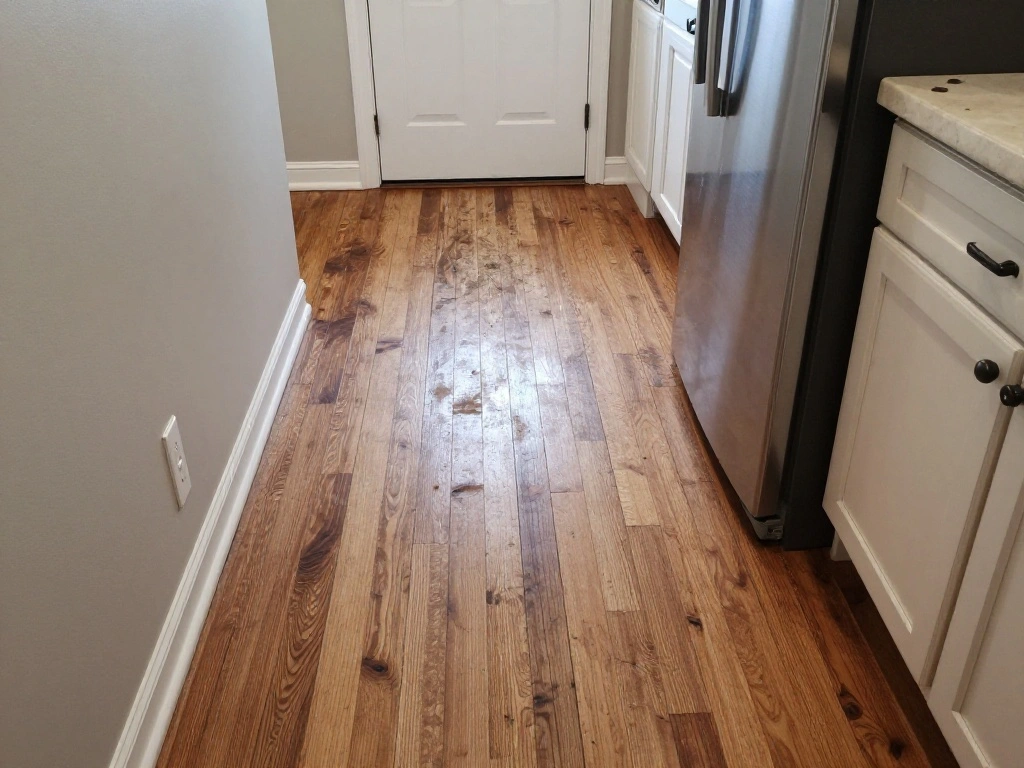
If your hardwood finish is more than five years old or shows any visible dullness, a pre-summer screen-and-recoat applies a fresh protective layer before the 11-week high-wear window opens — it's the most cost-effective floor investment available in June and defers full refinishing by 2–3 years.
A screen-and-recoat is not a full refinish. It involves lightly abrading (screening) the existing finish surface and applying one or two fresh coats of water-based polyurethane on top. No drum sanding, no stain removal, no color change. The disruption is 2–3 days with light furniture moving. The result is a renewed protective surface that is significantly more resistant to summer's five damage vectors.
- Best candidate: Hardwood floors where finish is dull or lightly worn but stain color is still intact and no bare wood is visible in traffic lanes
- Not a candidate: Floors where bare wood is visible, sunscreen damage has created milky patches, or pet urine staining has penetrated the finish to the wood
- Ideal timing in Northern Virginia: June — before heaviest wear begins, AC running steadily for optimal water-based polyurethane cure conditions
- What it extends: A pre-summer screen-and-recoat adds approximately 2–3 years of finish life, deferring full refinishing accordingly
- Disruption level: 2–3 days total — light furniture moving, no drum sanding, minimal odor with water-based poly
From Floors and Beyond
"We've done pre-summer floor assessments for Northern Virginia families for 40 years. The ones who call us in early June almost always have a straightforward screen-and-recoat situation. The ones who call us in September are usually looking at a full refinish because summer accelerated borderline finish wear into actual wood exposure. The two weeks between school letting out and full summer mode is the most valuable window for hardwood floor owners in this region."
Floors and Beyond assesses your floors' summer readiness at no charge. Screen-and-recoat, protection plan, or full zone consultation — serving all four counties since 1987.
Book a Free Summer AssessmentFrequently Asked Questions About Kid-Friendly Floor Protection in Summer
Can sunscreen really damage hardwood floors?
Yes — and it's among the most common summer floor damage Floors and Beyond encounters in Northern Virginia family homes. Chemical UV filters in SPF 30+ products (oxybenzone, avobenzone, octocrylene) degrade the polymer chains in water-based polyurethane finish when left in sustained contact with the floor surface. The visible result — a dull, slightly milky patch — appears in the areas where sunscreen-covered kids sit, crawl, or eat. It cannot be removed by cleaning; the finish bond has been compromised and requires screen-and-recoat or full refinishing to correct. Prevention: clean sunscreen contact immediately with pH-neutral cleaner and dry mop play areas every evening during summer.
What's the single most impactful thing I can do to protect hardwood floors this summer?
Install a double-layer entry mat system — a coarse exterior scraper plus an interior absorbent mat — at every exterior door before school lets out. Industry experts estimate that grit abrasion causes approximately 60% of premature floor finish wear. Stopping grit at the door is more impactful than any cleaning product, any finish refresher, or any area rug strategy because it prevents the primary damage mechanism from entering the home in the first place. Entry mats are a $30–$80 investment that protects a floor worth considerably more.
How often should I clean hardwood floors when kids are home all summer?
Dry mop (microfiber) daily — every evening during summer. Damp mop with pH-neutral hardwood cleaner once per week maximum. Never wet mop, never steam mop, never use vinegar. The daily dry mop is the most important summer maintenance habit because it removes grit before it gets ground into finish overnight. Grit that sits on a floor and gets walked on repeatedly is what causes the majority of premature summer finish wear — removing it daily is the most impactful floor protection action available.
Is LVP completely safe from summer family use, or does it need protection too?
SPC LVP is significantly more forgiving than hardwood under summer conditions, but not maintenance-free. The protection practices that still benefit LVP households during summer: entry mat system at every exterior door (grit still accumulates and acts as abrasive on LVP wear layers over time), area rug over the primary play zone (protects the wear layer from concentrated point impact), and avoiding water pooling at seams in the back-door pool entry zone. Daily dry mopping benefits LVP for the same reason it benefits hardwood — grit stopped at the mat cannot wear on anything inside.
My hardwood floors look a little dull but not damaged. Should I refinish before summer or wait?
Dullness without bare wood exposure is the ideal screen-and-recoat scenario — and June is the ideal timing. A screen-and-recoat on floors heading into summer adds a fresh protective layer before the highest-wear window, extends finish life by 2–3 years, and costs a fraction of a full refinish. If you wait until September and summer further depletes the finish to bare wood exposure, the screen-and-recoat option closes and a full refinish becomes necessary. Floors and Beyond recommends a June assessment specifically for this reason — the window between school letting out and full summer occupancy is the most valuable moment for hardwood floor owners in Northern Virginia.
// Free Summer Floor Assessment · Northern Virginia
Get Your Floors Ready
Before the Kids Are
Home All Day.
Floors and Beyond assesses your floors' summer readiness, recommends the right protection protocol for each zone, and handles any pre-summer screen-and-recoat before the wear window opens. Serving Fairfax, Loudoun, Prince William, and Arlington since 1987.
Book a Free Summer Assessment